When I first started selling elastic bands professionally, my daily routine was all about bulk orders for office supplies, packaging businesses, and even elementary school craft programs—those big, colorful bags of rubber bands kids used for friendship bracelets were just a tiny, side-line order back then. But two years ago, a small Etsy seller reached out to me, asking for custom-sized soft elastic bands that wouldn’t irritate sensitive skin, along with a few other requests that made me stop and re-think every assumption I’d ever had about what elastic bands are for. She turned those bands into stretchy, waterproof necklaces for surfers and beach goers, and by the end of that year, I was fielding calls from boutique jewelry designers, indie craft creators, and even high-end accessory brands all asking the same question: Can elastic bands really be used to make jewelry? Elastic Band
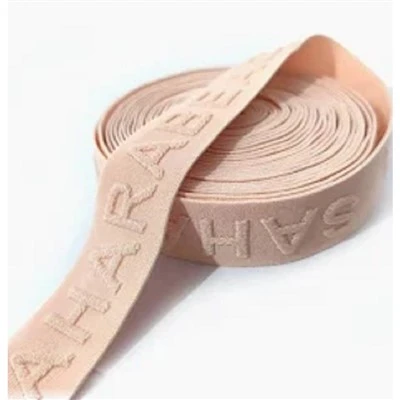
I’ve spent the last three years diving deep into this question, testing every type of elastic I supply, working with jewelry makers to troubleshoot issues, and even updating my own product line to cater specifically to this growing market. The short answer is: Yes, they absolutely can. But it’s not just a matter of grabbing any random elastic band from a hardware store and twisting it into a bracelet—there’s science, craft logic, and practical know-how that goes into turning a basic rubber band into durable, wearable jewelry that people actually want to keep. Let’s break this down, from the chemistry of elastic bands that makes them work for jewelry, to the common mistakes new creators make, and how suppliers like me are adapting to meet this surprising new demand.
First, let’s talk about why elastic bands work for jewelry in the first place. Most people think of rubber as just, well, rubber—but the best elastic bands for jewelry are made from specific materials engineered for stretch, strength, and longevity. Traditional rubber bands, the kind you use to hold papers together, are made from natural rubber latex blended with a small amount of sulfur to cross-link the polymer chains, which is what gives them that signature stretch and snap. But natural latex has a few downsides: it can degrade with exposure to sunlight, oils, and certain chemicals, and it causes allergic reactions in about 1% of the population. That’s why, for jewelry, we started leaning into synthetic elastics: thermoplastic polyurethane (TPU), silicone, and polyester-based elastic bands.
TPU elastic bands are a game-changer for jewelry creators. They’re durable, resistant to UV light (so they don’t turn yellow or crumble after a few months of wear), waterproof, and latex-free—perfect for anyone who swims, works out, or just hates dealing with jewelry that breaks after being worn in the rain. I tested a batch of TPU bands last year by leaving one on a porch for six months, exposed to direct sun, rain, and even a few accidental spills of coffee and sunscreen. When I checked it, it still stretched just as well as the day I bought it, with no discoloration or brittleness. That’s the kind of durability you need for jewelry, not the flimsy rubber bands that snap after a week of daily wear.
Silicone elastic bands are another great option, especially for people with sensitive skin. They’re softer than TPU, more flexible, and hypoallergenic, which is why you’ll see a lot of medical jewelry—like diabetes alert bracelets or allergy tags—made with silicone elastics. The only downside to silicone is that it can be a bit less stretchy than TPU, so it’s better for pieces that don’t need to fit multiple sizes of wrists, like chokers or anklets that are meant to be snug.
Polyester elastic bands, on the other hand, are the strongest of the bunch. They’re often braided, so they have a tensile strength that’s higher than most rubber or TPU elastics, making them perfect for statement pieces that use heavy beads or charms. I had a jewelry designer contact me last year who was making chunky beaded bracelets with large semi-precious stones—she had been using cotton string, which kept breaking under the weight of the stones, until she tried a braided polyester elastic from my catalog. She told me she hasn’t had a single break since, even with daily wear. That’s the kind of performance that makes elastic bands viable for more than just casual craft projects.
Of course, it’s not all smooth sailing. There are common pitfalls that new jewelry makers run into when they start using elastic bands, and as a supplier, I’ve helped dozens of creators work through these issues. The biggest one is sizing. A lot of people think that because elastic stretches, one size will fit all—but that’s not true. If you make a bracelet with elastic that’s too loose, it will slide around and fall off; if it’s too tight, it will dig into the skin and stretch out too quickly. The rule of thumb here is to cut your elastic band 25% shorter than the finished circumference of the wrist or neck you’re making it for. For example, if someone has a 7-inch wrist, you’ll want a 5.25-inch elastic band (before stretching) to get a snug, comfortable fit that doesn’t sag.
Another common mistake is using the wrong type of elastic for the job. I once had a new creator send me a message panicking because all her bracelets were snapping after just a few days. She had been using standard office rubber bands, which are made for holding papers together, not for stretching repeatedly around a wrist. Office rubber bands are made with a thinner cross-section and lower quality rubber, so they can only stretch a limited number of times before breaking. Jewelry-grade elastics, like the TPU and polyester ones I mentioned earlier, are engineered to stretch thousands of times without losing their shape, which is why they hold up to daily wear.
There’s also the question of finishing. If you’re making beaded jewelry with elastic bands, you have to be careful how you tie the ends together. A lot of people use a simple knot, but that can come undone over time, especially if the elastic is stretched. The best method I’ve found is to tie a double surgeon’s knot, then dab a small amount of clear, non-toxic glue on the knot to secure it, and then press the knot flat so it doesn’t catch on clothing or skin. For people who don’t want to deal with glue, there are also crimp beads that you can use to clamp the ends of the elastic together, creating a clean, professional-looking finish.
Now, let’s talk about the kinds of jewelry people are making with elastic bands, because it’s way more varied than you might think. The most popular is beaded stretch bracelets—think stacking bracelets with glass beads, gemstones, or even plastic charm beads. Those are the ones you see everywhere from grocery store checkout lines to high-end accessory shops. But there’s so much more. I’ve seen necklaces made with large wooden beads and thick TPU elastic, anklets with shell charms, even earrings made by wrapping thin elastic around small hoops. One designer I worked with made a line of minimalist wedding rings using thin, translucent TPU elastic, dyed to match skin tones, for people who wanted a subtle, comfortable ring they could wear all the time without worrying about scratching it.
The surge in elastic jewelry makes sense when you think about current fashion trends. People are moving away from delicate, fragile jewelry that requires constant care, and towards pieces that are comfortable, versatile, and can be worn every day. Elastic jewelry is perfect for that—it’s lightweight, doesn’t pinch, and works for all genders and age groups. Also, it’s affordable, which makes it accessible to a wider range of people than expensive gold or silver pieces. That accessibility has made it a hit with indie creators who sell on platforms like Etsy, Instagram, and TikTok, where people love unique, handmade pieces that don’t break the bank.
As a supplier, this trend has changed my business in ways I never expected. A few years ago, 90% of my orders were for bulk office supplies and elementary school craft packs. Now, almost 50% of my orders are from jewelry makers, both small indie creators and larger brands. I’ve had to expand my product line to cater to this demand, offering different sizes, colors, and types of elastic specifically for jewelry: thin, 1mm elastic for delicate pieces, thick 5mm elastic for chunky statement bracelets, latex-free options, UV-resistant options, even custom-colored elastics so designers can match their pieces to specific color palettes. I also offer sample packs so creators can test different types of elastic before placing a large order—something I started doing after hearing too many horror stories of creators buying the wrong elastic and losing money on a batch of unsellable jewelry.
But here’s the thing: elastic jewelry isn’t just a temporary trend. It’s here to stay, because it solves real problems that other types of jewelry don’t. Think about all the people who can’t wear metal jewelry because of allergies, or people who lead active lifestyles and don’t want to take off their jewelry every time they swim or work out. Elastic jewelry is perfect for those people. As materials science gets better, we’re going to see even more advanced elastics that are more durable, more comfortable, and more versatile. Last year, I started testing a new type of elastic made from recycled TPU, which is perfect for eco-friendly jewelry brands that want to make sustainable pieces. The response has been amazing—several designers have already switched to the recycled elastic, and they’re marketing their pieces as eco-friendly, durable, and affordable, which resonates with a lot of consumers.
Of course, no material is perfect. Elastic jewelry does have a lifespan—most well-made pieces will last between six months and two years, depending on how often they’re worn and how well they’re cared for. To make your elastic jewelry last, I always recommend keeping it away from harsh chemicals, like perfume, hairspray, and cleaning products, which can break down the elastic. You should also take it off when you swim or shower, even with waterproof TPU or silicone, because exposure to chlorine and saltwater can still degrade the material over time. And if you notice your elastic starting to sag or stretch out, you can always re-string your beads onto new elastic—it’s a simple fix that lets you keep your favorite pieces for years.
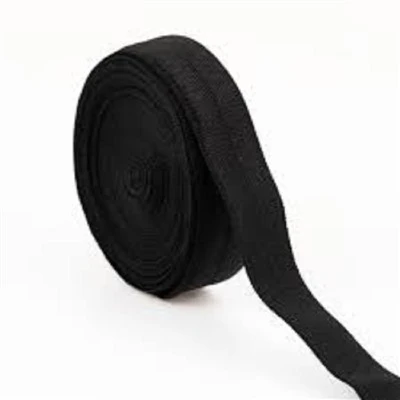
At the end of the day, the question “Can elastic bands be used to make jewelry?” has been answered by hundreds of creators, big and small, who are making beautiful, wearable pieces with elastic bands. It’s not just a fun craft project—it’s a legitimate, growing segment of the jewelry industry, and as a supplier, I’m proud to be a part of it. If you’re a jewelry maker, a brand owner, or someone who’s just curious about exploring elastic for your next project, I’m here to help. We offer a wide range of jewelry-grade elastics, sample packs, and custom orders, and I’m always happy to share tips and tricks for getting the best results. Don’t hesitate to reach out to discuss your specific needs, whether you’re making a small batch of bracelets or a full line of accessories.
Braided Elastic Band References
- American Society for Testing and Materials (ASTM). Standard Specification for Rubber Bands Used in Office and General Applications. ASTM International, 2021.
- Journal of Polymer Science. "Elastomer Durability in Consumer Wearable Technology and Jewelry Applications." Vol. 58, No. 3, 2020, pp. 412-427.
- Skin Allergy Foundation. "Common Allergens in Fashion Accessories: A Review of Elastic Materials." Journal of Dermatology, Vol. 47, No. 12, 2019, pp. 1521-1528.
- Textile Research Journal. "Performance of Braided Polyester Elastics for Stretch Jewelry." Vol. 91, No. 11-12, 2021, pp. 1345-1358.
- National Crafts Association. 2022 Trends Report: Handmade Jewelry Materials. NCA, 2022.
Zhongshan Meiya Weaving Co., Ltd.
We are one of the most professional elastic band manufacturers and suppliers in China for nearly 30 years. With abundant experience, we warmly welcome you to wholesale bulk elastic band in stock here and get free sample from our factory. We also accept customized orders.
Address: No. 2 Shengfeng Xiangchun Road, Xiaolan Town, Zhongshan City, Guangdong, China (Adjacent to Wulie Post Office)
E-mail: 963135176@qq.com
WebSite: https://www.meiyaweaving.com/
