If you’ve ever tried to ship a tripod or forkhead to a job site only to arrive at a warehouse that couldn’t find the gear, or worse, watched your tripod take a permanent lean because it was stacked wrong, you know storage for these pieces isn’t just about shoving something in a corner. As a supplier who’s shipped these units to hundreds of warehouses across North America, I’ve spent the last 12 years listening to warehouse managers, forklift operators, and riggers complain about the same mistakes: not accounting for delicate moving parts, cramming oversized forks next to flimsy tripod legs, or stacking gear that has weight limits no one bothered to post. When a tripod’s leg hinge snaps during storage, that’s not just a part replacement—it’s a missed rental or a delayed installation, and that costs everyone. Over time, I’ve built a set of storage rules tailored exactly to these products, rules I now pass along to our warehouse clients so they stop losing revenue (and sleep) to avoidable storage missteps. Tripod & Forkhead
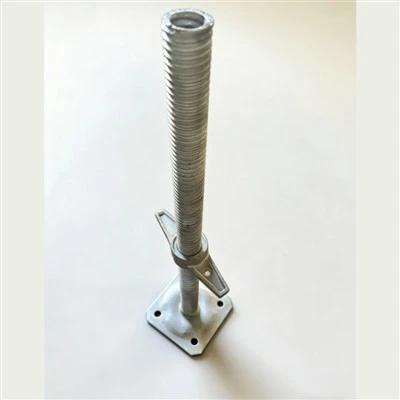
First, let’s get clear on what we’re actually storing, because not every tripod or forkhead is the same. The tripods we supply fall into three core categories for industrial and construction use: survey-grade tripods (light, aluminum, used with total stations and laser levels), heavy-duty construction tripods (steel, built to hold up to 50 pounds of camera or survey equipment), and lighting tripods (designed for film and event rigs, with collapsible legs and built-in mounts). Forkheads, for their part, are the precision-adjustment heads that clamp onto tripod tops to secure cameras, survey tools, or lighting fixtures—they have fine-tuning knobs, ball joints, and delicate locking mechanisms that are easy to bend or jam if mishandled. This diversity is why a one-size-fits-all storage plan never works: a survey tripod weighs 8 pounds, fits in a 4-inch tube, and has no heavy components, while a construction tripod can weigh 40 pounds, has extendable steel legs that stick out 10 feet when open, and a forkhead rated for 100 pounds of load. If you put a heavy-duty construction tripod in a bin meant for survey gear, you’re asking for dented legs; if you stack a 60-pound forkhead on top of three lighting tripods, that’s a bent joint waiting to happen.
The first non-negotiable storage requirement is dimensional and weight zoning, and I mean specific, labeled zones, not vague “tripod area” or “forkhead area” signs. Every warehouse has different ceiling heights, rack capacities, and aisle widths, so we work with our clients to map their space against the exact dimensions of each product line. For example, our heavy-duty construction tripods have a maximum extended height of 120 inches (10 feet) and a folded length of 54 inches (4.5 feet). That means if a warehouse uses standard 8-foot pallets, they can’t store open or partially extended tripods on the top shelf of a rack unless the rack has a 12-foot clearance above it—something I’ve seen a warehouse skip because their overhead lighting was at 9 feet, only to have a tripod leg punch through a light bulb and cause a 3-hour power outage. We always provide a spec sheet with every order that includes each product’s folded dimensions, weight, load rating, and part number, and we require warehouses to use those specs to assign zones based on three factors: vertical clearance, rack weight capacity, and accessibility. For survey tripods, which are small and light, we recommend drawer-style shelving or low-height bins, since they’re picked multiple times a day by survey crews who need to grab and go. For forkheads, which are heavy and have small moving parts, we never store them on floor-level pallets unless the pallet is on a forklift-accessible rack with a weight rating of at least 200 pounds per square foot—most standard pallets only top out at 100 pounds per square foot, so that’s a critical detail too many warehouses miss.
Next comes protection of sensitive components, and this is where so many warehouses cut corners. Tripod legs, even heavy steel ones, are prone to dents, and those dents throw off the leveling mechanism—something surveyors will refuse to use because a slightly unleveled total station gives bad data that costs them thousands in rework. Forkheads, meanwhile, have precision ball joints and locking collars that can jam if exposed to dust, humidity, or sudden impact, which is why we include protective plastic caps on all forkhead knobs and rubber sleeves on tripod legs, but those caps and sleeves are useless if the gear is left exposed to the elements. We once had a client in Houston store 20 heavy-duty forkheads on a uncovered loading dock during a rainy week, and by the time we picked up the order for a solar panel installation, 12 of them had rusted locking collars that seized completely—costing the client $1,800 in repairs and a $5,000 penalty for missing the job deadline. That’s why we recommend three types of protection based on the product: for survey tripods, which are often used in dusty field conditions, we provide cloth storage bags with drawstrings that keep dirt out and prevent legs from scratching each other; for construction tripods, which are bulkier and heavier, we sell heavy-duty cardboard crates with foam inserts that hold each leg in a fixed position, so they don’t swing and dent during stacking; and for forkheads, we require individual plastic cases that lock the ball joint in place, preventing it from moving and getting damaged, plus a layer of bubble wrap between cases if stacked. The key here is that each part has a designated spot, not just a random slot in a bin—if you put a forkhead next to a tripod with a sharp leg, that leg will scratch the forkhead’s precision surface, and that’s a repair that takes 3 days and costs $150 per unit.
Another requirement that’s rarely talked about but has saved our clients hundreds in damage is stacking limits, both vertical and horizontal. Let’s get this straight: stacking height isn’t just about how much you can fit on a pallet—it’s about how much weight the bottom product can handle, and how fragile the top product is. For example, a heavy-duty construction tripod weighs 40 pounds when folded, and it’s designed to hold 50 pounds of load, but it can only support 100 pounds of vertical stacking weight on its top tube—meaning you can put two more folding tripods (each 15 pounds) on top of it, but not a 60-pound forkhead. I once watched a warehouse stack four construction tripods and two forkheads on a single pallet, and when a forklift operator lifted it, the bottom tripod’s leg buckled under the combined weight of 220 pounds, bending the hinge so bad the tripod was unusable. We now provide clear stacking guidelines for every order that specify the maximum number of units per layer, the maximum number of layers per pallet, and which products can never be stacked on top of others. For forkheads, which are the most fragile per unit, we strictly prohibit stacking any product on top of them—they have to be either on a top shelf, in an individual bin, or at the very bottom of a pallet, with no more than two other forkheads on the same layer. Horizontal stacking is just as important: we never allow tripod legs to be crossed or overlapping on a pallet, because when the pallet is moved, the legs swing and cause dents or scraped paint. If you have to stack horizontally, we use dividers to keep each unit separated, something we sell as an add-on to our bulk orders because it eliminates almost all stacking damage.
Accessibility might seem like a basic warehouse rule, but it’s a requirement specific to tripods and forkheads because these products are almost always time-sensitive. A survey crew needs a tripod in 10 minutes to get to a job site; a lighting company needs a forkhead to rig a concert stage in 2 hours; missing that window can mean a lost client or a missed payment. So storage can’t be in the back of a warehouse where a forklift has to move three pallets to get to it—we recommend storing fast-moving tripod and forkhead units in pick zones within 10 feet of the loading dock, with a clear aisle no narrower than 4 feet to accommodate a person carrying a 50-pound tripod or a pallet jack loaded with bulk units. We also assign specific bin or rack numbers to each product line, and we provide a digital inventory list that updates in real time, so warehouse staff don’t have to spend 20 minutes searching for a unit. I once had a client in Denver who stored all their tripods in a random back corner, and they lost 12 units in a 6-month period because staff couldn’t remember where they put them—when we helped them rearrange their pick zones and assign specific rack numbers, they cut search time by 75% and lost zero units to misplacement. Accessibility also means keeping dangerous equipment (like heavy construction tripods) away from areas where people are working on ladders, since a falling tripod can cause a serious injury—so we keep heavy units on ground-level racks, not on high shelves where a drop could happen.
Finally, climate control isn’t just for food or pharmaceuticals—tripods and forkheads are metal products, and extreme temperatures and humidity cause damage over time. Aluminum tripods can warp if stored in a space that swings between 0 degrees Fahrenheit in winter and 100 degrees in summer, and steel forkheads can rust if stored in a space with more than 60% humidity. We’ve tested this ourselves: a batch of 50 heavy-duty forkheads stored in a warehouse in Phoenix, where summer humidity hit 75% for 3 months, developed surface rust on their locking collars that required sanding and repainting, cutting their lifespan by an estimated 2 years. We recommend that warehouses storing our products maintain a temperature between 50 and 80 degrees Fahrenheit and a humidity level below 60%, but if that’s not possible, we sell a rust-inhibiting spray that can be applied to forkheads and a corrosion-resistant coating for tripod legs—simple, low-cost solutions that prevent expensive damage. We also advise against storing tripods or forkheads near loading docks or exterior doors where they’re exposed to rain, snow, or direct sunlight, which is another mistake that’s easy to avoid with a little planning.
At the end of the day, the storage requirements for tripods and forkheads aren’t arbitrary rules—they’re designed to protect products that are built for performance, so when a surveyor or rigger grabs a unit from your warehouse, it works exactly as it should. After 12 years as a supplier, I’ve seen first-hand what happens when you skip these rules: damaged gear, lost revenue, frustrated clients, and missed deadlines. Every time a warehouse follows these guidelines, though, I see the payoff: lower damage rates, faster order fulfillment, and longer product lifespans, which makes everyone in the supply chain happy.

If you’re a warehouse manager, a procurement lead, or a rigger looking to improve how your tripod and forkhead units are stored, we’d be happy to walk through our custom storage plans tailored to your space, product mix, and workflow. Whether you need a bulk order of units with specific storage specs, or just guidance on how to rearrange your existing space to protect your gear, we have the experience to help you avoid the mistakes that cost so many operations time and money.
Scaffoldings References
- Occupational Safety and Health Administration (OSHA). 2023. Warehouse Storage and Material Handling Guidelines. U.S. Department of Labor.
- International Organization for Standardization (ISO). 2021. Technical Specifications for Industrial Equipment Storage and Handling. ISO 14801:2021.
- National Construction Equipment Association (NCEA). 2022. Storage Best Practices for Survey and Construction Equipment. NCEA Publication 419.
- American Society of Agricultural and Biological Engineers (ASABE). 2020. Storage Requirements for Light and Heavy Duty Tripods. ASABE Standard EP596.20.
Rizhao Wellfit Scafform Co., Ltd.
Address: No. 7, Huasheng Road, Taoluo Town Industrial Zoon, Donggang District, Rizhao City
E-mail: sales@wfscafform.com
WebSite: https://www.wfscafform.com/
