If you’ve ever swapped out your car’s halogen headlights for LEDs, you know that not all lights look the same. Some give off a crisp, bright white that feels like it turns night into day, while others lean into a yellowish glow that doesn’t quite cut through fog or rain. As someone who’s been in the LED headlight supply business for over a decade, I get asked this question more than any other: what really is color consistency, and why does it matter for drivers? It’s not just a cosmetic detail—it’s the difference between a safe, reliable light and one that could put you or others on the road at risk. LED Headlight

Let’s start with the basics. Light color is measured in Kelvin (K), a scale that ranges from warm, yellowish tones (around 2700K, similar to old incandescent bulbs) to cool, bluish whites (up to 6500K and higher). For headlights, the sweet spot is usually between 5000K and 6000K—bright enough to see road markings, signs, and wildlife, but not so blue that it blinds oncoming drivers. But color consistency isn’t just about picking a Kelvin number. It’s about every single bulb in a batch coming out to that exact Kelvin, no more, no less, and staying that way for thousands of miles.
Early on, I saw a lot of suppliers cut corners here. They’d buy cheap LED chips from overseas that had a wide Kelvin bin spread—meaning one bulb might be 5000K, the next 5800K, and the third 6200K. When you install a set like that, the left headlight looks yellow, the right looks blue, and it’s disorienting for both you and drivers coming the other way. I had a customer come to me a few years back with a story about that exact problem. He’d bought a budget LED set online, and within a week, his mechanic noticed the two headlights didn’t match. What made it worse? The chips were also inconsistent in brightness, so one side was dimmer too. He ended up replacing the set twice before finding a supplier who could deliver consistent color. That’s when I realized: color consistency isn’t a “nice to have”—it’s a non-negotiable for anyone who relies on their headlights to drive safely.
So how do we achieve that consistency at our company? It starts with the chips. We don’t buy random chips from the open market. We partner with manufacturers that control every step of the chip production process, from the semiconductor material to the phosphor coating (that’s the part that converts blue light from the diode into white light). Phosphor is the key here—if it’s mixed unevenly, or applied too thick on some chips and too thin on others, you get uneven color. We work with our suppliers to test every batch of chips before they even reach our warehouse. We use a spectrometer to measure the Kelvin value of each individual chip, and we only keep chips that fall within a 200K range of our target 5700K (our most popular headlight color). That might sound strict, but when you’re talking about driving at night, even a 100K difference can be noticeable.
Next comes the assembly process. Once we have consistent chips, we have to put them into housings, attach the wiring, and test the finished units. Even small variables here can throw off color. For example, if the glue used to secure the chip to the housing has a yellow tint, it can filter the light and make the headlight look warmer over time. Or if the heat sink (the part that keeps the LED cool) isn’t sized correctly, the chip can run too hot, which shifts the color to bluer tones. We invest in automated assembly lines that are calibrated daily to ensure every step is identical. Our technicians test every single finished headlight before it leaves our facility, using the same spectrometers to check Kelvin and brightness. We don’t ship any units that don’t match our strict consistency standards—no exceptions.
But color consistency doesn’t stop when the headlight leaves our warehouse. It has to hold up over time, too. That’s called color retention, and it’s just as important as initial color. Cheap LEDs use low-quality phosphor that breaks down after a few years of use, or when exposed to heat and UV light from the sun. We use high-grade phosphor that’s engineered to last the life of the headlight—usually 50,000 hours or more. I’ve seen our customer cars with sets we installed five years ago, and their headlights still look just as white and consistent as the day we put them in. That’s the difference between investing in a quality product and buying something disposable.
I know what some drivers are thinking: “Does color consistency really affect safety?” Let’s break it down. When your headlights are consistent, you can trust what you’re seeing. A matched set means you’re not straining your eyes to adjust between two different tones, which reduces fatigue on long drives. For oncoming drivers, consistent color means they don’t get hit with a sudden, harsh blue light that blinds them—something that’s more likely if one headlight is much bluer than the other. There’s also regulatory stuff to consider. In many countries, headlight color is strictly regulated to avoid blinding other drivers. Inconsistent color can lead to a headlight failing inspection, which means you have to replace it again, wasting time and money.
Of course, no two applications are exactly the same. Some drivers want a warmer tone for classic cars, others want a cooler tone for off-road driving. We work with customers to adjust our bin ranges if needed—though we always warn them about the trade-offs. For example, a 6500K headlight is bluer, which might look brighter in photos, but it’s more likely to cause glare for oncoming drivers. We only offer customization when it’s safe and meets local regulations, and we never sacrifice consistency for a trend.
Over the years, I’ve seen the LED headlight market grow from a niche product for gearheads to a mainstream upgrade for almost every car on the road. With that growth comes a lot of low-quality products flooding the market, and it’s important for drivers to know what to look for when buying. Don’t just go by the Kelvin number on the box. Ask the supplier about their binning process—do they test each individual chip? What’s the range of their bins? Do they test finished units for consistency? Look for reviews from real customers, not just paid ads. If a set has dozens of reviews complaining about uneven color or dimming within a year, stay away.
At our company, we take pride in being transparent about our processes. We don’t hide the fact that testing every chip and every finished unit costs more than cutting corners. But we also believe that drivers shouldn’t have to choose between safety and value. We price our sets competitively because we believe quality shouldn’t be a luxury. If you’ve ever dealt with uneven headlights that made your drive stressful, or if you’re shopping for a new set and want something that’s reliable and consistent, I’d encourage you to reach out. We work with individual car owners, auto repair shops, and fleet operators, and we’re happy to answer any questions about color consistency, binning, or our products.
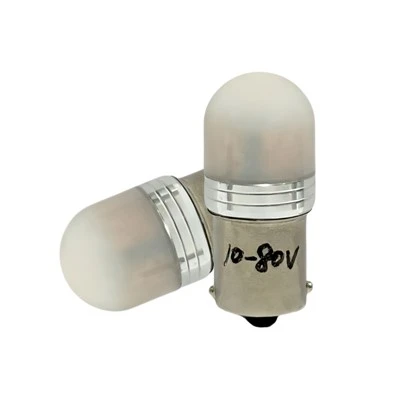
In the end, LED headlight color consistency isn’t just a technical detail—it’s about giving drivers peace of mind when they turn the key and head out on the road. It’s about making sure the light you see matches the light the car in front of you sees, so everyone can get where they’re going safely. After all, that’s what driving is all about—not just getting there, but getting there without worry. If you’re ready to upgrade your headlights or source consistent LED sets for your business, don’t hesitate to get in touch. We’re here to help.
T20 Bulb References
- International Organization for Standardization. Road vehicles — Light sources for use in signal lamps and lighting applications. ISO 16295:2020.
- Narendran, N., et al. Color consistency of white light-emitting diodes. Journal of Illuminating Engineering Society, vol. 30, no. 2, 2001, pp. 130-140.
- United States Department of Transportation. Federal Motor Vehicle Safety Standard No. 108: Lamps, reflective devices, and associated equipment. 2022.
- Schubert, E. F. Light-Emitting Diodes. 2nd ed., Cambridge University Press, 2006.
- Zhmakin, A. I. Phosphors for white light-emitting diodes. Progress in Quantum Electronics, vol. 35, no. 4-5, 2011, pp. 181-259.
BULBPLAN Co., Ltd.
As one of the most professional led headlight manufacturers and suppliers in China, our products have good reputation in the market. Please feel free to wholesale cheap led headlight for sale here and get pricelist from our factory. Quality products and reasonable price are available.
Address: No. 86 Zhongli Road, Nancheng Street, Dongguan City, Guangdong Province
E-mail: Alex@bulbplan.com
WebSite: https://www.nicebulbs.com/
