If you’ve ever wandered an office space and seen that lumpy, sagging sofa in the break room that looks like it’s been beaten up way too many times, you know how frustrating it is. For heavy team members, that piece of furniture isn’t just uncomfortable—it can be a total pain in the back, neck, or even hips. As an office sofa supplier, I get asked this question all the time: what’s actually the best office sofa for people who weigh more than the average? Let’s cut through the fancy marketing jargon and get real, no fluff included. Office Sofa
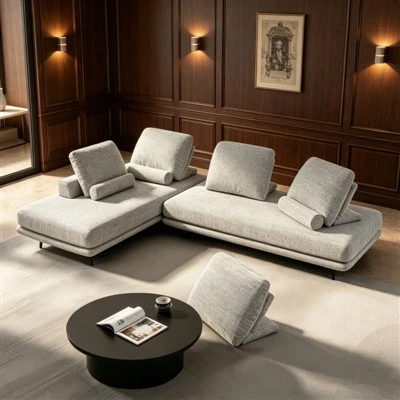
First off, let’s talk about what makes a sofa work (or not work) for heavy folks. A lot of regular sofas are built for average-sized people—think like 150 to 200 lbs max. If you’re pushing past that, those thin frame beams, flimsy cushions, and weak armrests are going to give out fast. I’ve seen so many customers come to me with stories: their old office sofa collapsed after a heavy intern sat on it for a quick break, or the fabric ripped right at the seam by the arm where a bigger teammate leans. So we’re not just looking for “comfortable”—we need durability, support, and space that fits without feeling cramped.
Let’s start with the frame. This is the backbone, plain and simple. Most cheap office sofas use particleboard or thin wood for their frame, which can bend or snap under extra weight. For heavy people, you want a solid, heavy-duty frame—like kiln-dried hardwood or even steel. Steel frames are actually my go-to for this because they’re way more resistant to warping. Kiln-dried hardwood works too, just make sure it’s thick—at least 2 inches, not that flimsy 1-inch stuff you see on dollar store sofas. Pro tip: when testing a frame, give the corners a little shake. If it wiggles, walk away. A good frame should feel rigid, no give at all.
Next up: cushions. This is where a lot of people mess up. Regular sofas use foam that’s too soft, like 1.8 lbs per cubic foot or lower. That foam compresses super fast, and once it’s gone, you’re sitting on the hard frame underneath. For heavy folks, you need high-density foam—at least 2.2 lbs per cubic foot, and even better if it’s a mix of foam and a core of springs, like sinuous springs or 8-way hand-tied springs (though hand-tied is pricier, sinuous works great for office use). Also, look for cushions that are at least 4 inches thick. Thin 2-inch cushions will bottom out in a year, trust me. We’ve even started using memory foam top layers on some of our heavy-duty sofas, because it conforms to your body without collapsing, and it’s way more comfortable than plain foam.
Don’t sleep on the armrests, either. A lot of heavy people lean on their armrests when they sit, or use them to stand up if the sofa is lower to the ground. Flimsy armrests that are just thin wood wrapped in fabric? They’ll crack or break in no time. Look for armrests that are at least 3 inches thick, with a solid core (again, hardwood or steel) and covered in a sturdy material. We use a rubberwood core for our armrests, and they can hold up way more weight than a regular sofa’s—no wiggling, no breaking.
Now, size matters. This isn’t just about “bigger is better,” though that’s part of it. You need a sofa that gives you enough space to sit without your elbows hitting the sides, and your feet flat on the floor when you’re seated. For heavy people, we recommend sofas that are at least 78 inches wide for a two-seater (some of our extra-wide models are 84 inches, which is perfect) and a seat depth of at least 22 inches. Seat depth is how far back the cushion goes from the front edge—too shallow, and your legs will hang awkwardly, putting strain on your hips. Too deep, and you’ll slump forward, which is bad for your back. Aim for a seat height of 18 to 20 inches, too. That’s high enough that you don’t have to struggle to stand up, which is a big plus for anyone over 200 lbs.
Fabric is another big one. You don’t want fabric that will stretch or tear if you shift around. Regular cotton or thin polyester will pill and split after a few months of heavy use. Look for performance fabrics—like heavy-duty polyester, nylon, or even leather (full-grain leather is way more durable than faux leather). We use a 1000-denier polyester for most of our heavy-duty sofas, which is scratch-resistant, stain-proof, and can handle way more weight than regular fabric. Also, avoid fabric with a loose weave—look for tight, tight weave. You can test this by running your fingernail across the fabric; if it snags easily, it’s not the right one.
Wait, what about weight capacity? This is a number you can’t ignore. A lot of sofas will say “holds up to 250 lbs,” but that’s usually for a single person. For a two-seater sofa, you want a total weight capacity of at least 500 lbs—so that both people can sit comfortably without sagging. Some of our heavy-duty sofas go up to 800 lbs total, which is perfect for teams that have heavier members, or if you want to fit two people plus a few bags or a laptop on there. I always tell customers to double the number they think they need. If you’re 250 lbs, don’t get a sofa that holds 300 lbs—get one that holds 500, just to be safe.
Comfort isn’t just about physical support, either. A lot of heavy people feel self-conscious about being too big for furniture, so it’s important that the sofa doesn’t feel cramped. We’ve added a “wide seat” option to a lot of our models, which adds 6 inches to the seat depth and width, so you have room to shift, cross your legs, or just spread out a little. That small change makes a huge difference for how someone feels when they’re sitting on the sofa.
Now, let’s talk about mistakes people make when picking a sofa for heavy people. First, going cheap. You might find a $300 sofa online that says it’s for heavy people, but nine times out of 10, that’s just marketing. The frame is particleboard, the cushions are low-density foam, and it’ll fall apart in 6 months. You end up spending more money replacing it over and over, which saves nothing in the long run. Second, ignoring the back support. A lot of people focus on seat cushions, but the backrest is just as important. Look for a backrest that’s at least 24 inches tall, with firm (but not hard) support. Lumbar support is key—some of our sofas have built-in lumbar cushions that you can adjust, which is great for people with bad backs. Third, forgetting about maintenance. Even the best heavy-duty sofa will look beat up if you don’t take care of it. Performance fabrics are easy to wipe down, but make sure you get one that’s stain-resistant—no more panicking when someone spills coffee on the break room sofa.
As someone who’s been in the office sofa game for a while, I’ve worked with a ton of offices—small startups, big corporations, co-working spaces—and the number one thing heavy team members say is that they finally feel comfortable in the break room. It’s not just a place to sit; it’s a spot to recharge, have a quick chat, or take a quick 10-minute nap, and if the sofa is uncomfortable, you’re not going to use it. That’s why we built our heavy-duty office sofas with all the stuff we just talked about: steel frames, high-density foam, wide seats, durable fabric, and weight capacities that actually work.
If you’re in the market for an office sofa that’s built for heavy people, skip the cheap, generic options. You need something that’s going to last, support your team, and make the break room a place everyone actually wants to hang out in. We’ve got a bunch of models to choose from, so you can pick the one that fits your office’s style, budget, and needs. If you have questions about weight capacities, frame materials, or even how to customize a sofa for your space, just reach out. We’re here to help you find the right fit for your team.
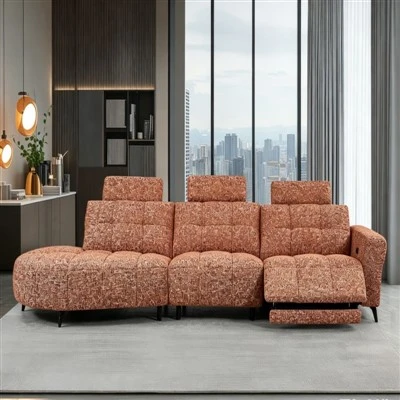
Don’t settle for a sofa that’ll sag, crack, or collapse after a few months. Invest in one that’s built to handle whatever your team throws at it, no matter their size. Let’s talk so you can get the right sofa for your office.
Fabric Office Sofa References:
- American Society of Interior Designers (ASID). (2021). Ergonomic Furniture Selection for Bodi Size Variations.
- International Code Council (ICC). (2022). Commercial Furniture Structural Load Requirements.
- Journal of Physical Therapy Science. (2020). Effects of High-Density Foam Cushions on Postural Stability for Heavy Adults.
- Office Products Manufacturers Association (OPMA). (2023). Durability Standards for Commercial Upholstered Seating.
- Ergonomics Association of North America (EANA). (2022). Seat Dimension Guidelines for Adult Populations.
Huizhou Ramson Technology Co., Ltd.
Huizhou Ramson Technology Co., Ltd. is one of the most professional office sofa manufacturers and suppliers in China, also supports customized service with low price. Please feel free to wholesale bulk classy office sofa from our factory. Contact us for pricelist.
Address: Building 3-4, Changlonggang Industrial Park, Tiantou Village, Shatian Town, Huiyang District, Huizhou City, Guangdong Province
E-mail: jscsofa@jsc-furniture.com
WebSite: https://www.jsc-sofa.com/
