If you’ve ever held a medical device that’s soft, stretchy, and doesn’t feel like rigid plastic or scratchy rubber, chances are it’s made with TPE—thermoplastic elastomer. For the last 7 years, I’ve been selling TPE to hospitals, device makers, and small biotech startups, and let me tell you, this stuff isn’t just a “nice-to-have” material anymore. It’s replaced old rubber, silicone, and even some plastics in more medical applications than I can count, and most people in the industry (that I chat with at trade shows) still don’t realize how versatile it actually is. Today, I’m breaking down the real, no-fluff ways TPE is used in healthcare right now, plus why us TPE suppliers get so many calls from medical teams who used to struggle with other materials. TPE
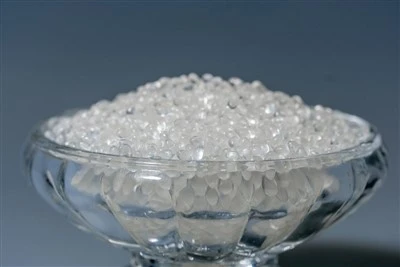
First, let’s cut through the jargon. Unlike thermoset rubber, which you heat once and it’s permanently solid, TPE softens when you heat it and hardens again when it cools—so it’s way easier to mold into all kinds of shapes, even tiny, detailed ones. It’s also non-slip, flexible, and can be formulated to be sterilizable, which is non-negotiable for medical gear. A lot of new clients I talk to start with, “Wait, TPE works for medical stuff? I thought it was just for phone cases or bike handles.” Nope. Let’s start with the most common (and most impactful) use case that most people touch every time they go to a clinic: single-use medical devices.
Single-use items are huge right now post-pandemic, not just for safety (cuts down on cross-contamination) but for cost. Think about things like syringes, IV catheters, and blood collection tubes. The little plunger on a syringe used to be made with latex or hard plastic. Latex is a nightmare because so many people have allergies—like, 1-6% of the general population, and up to 10% of healthcare workers, per the FDA. Hard plastic plungers don’t seal well, so you get dead space where medicine gets left behind, which is wasteful and can even mess with dosages. TPE plungers? They’re soft enough to form a tight, air-tight seal against the glass or plastic barrel, no latex, no allergy risk. And they’re cheap to mold in big batches, which is why almost every major syringe manufacturer switched to TPE plungers in the last 5 years. I supply TPE resin to a company in the Midwest that makes 2 billion syringes a year, and their quality team told me the TPE plungers cut dosage waste by 12%—that’s millions of doses no longer wasted, which is a big deal for hospitals.
Then there’s catheters. The flexible tip of a urinary catheter or peripheral IV used to be made with silicone, which is great but super expensive, especially for single-use. TPE is way cheaper, and you can tweak its flexibility to exactly what a doctor needs—like, the tip is soft enough to not scratch tissue, but the rest of the catheter has enough stiffness to glide through a vein. I had a client once who made a pediatric IV catheter that used a custom TPE blend for the wings (the little things you tape to the arm) that’s grippy but not sharp, so nurses don’t cut their fingers when taping kids. They told me the TPE cut their production cost by 30% compared to silicone, and pediatric patients complained way less about the device being uncomfortable. That’s a win-win.
Next up, wearable medical devices, which are booming right now—think continuous glucose monitors (CGMs), heart rate monitors, and even post-surgery compression wraps. The part that sits against your skin on these devices is key: it needs to stay stuck, not cause irritation, and not leach any chemicals. Silicone is the go-to for a lot of wearable adhesives, but it’s messy to apply and can leave a sticky residue that’s hard to wash off. Some pressure-sensitive adhesives (PSAs) used in wearables have chemicals that can cause rashes on sensitive skin, like people with eczema. TPE for wearable adhesives? It’s formulated to be skin-safe (we test all our medical TPE for ISO 10993, the global standard for biocompatibility), has a gentle stick that stays on during showers or workouts, and doesn’t leave a residue. I supply TPE to a startup that makes a CGM for type 1 diabetics that uses TPE for the skin-contact layer—they told me 82% of their test users said they didn’t get a rash, compared to 45% with the old silicone-based CGM they used to sell. That’s a game-changer for people who use CGMs 24/7.
Also, wearable devices need to stretch with the body, right? If they’re too rigid, they pop off when you bend your arm or move. TPE’s elasticity is perfect here—you can make TPE stretch up to 500% of its original size without tearing, which is way more than regular plastic. I had a customer who made a post-surgery compression sleeve for people recovering from arm surgery. The sleeve used to be made with spandex and nylon, but it would stretch out after a few washes, so it wouldn’t apply the right amount of pressure. Switched to a TPE blend, and it stays elastic for 50+ washes, and the material is breathable enough that patients don’t sweat through their sleeve. That’s another use case no one talks about: long-term wearables, not just the 7-day CGM kind.
Then there’s orthopedics and prosthetics, which is a more specialized area, but TPE is blowing up here too. Traditional orthopedic braces, like ankle braces or knee sleeves, use neoprene, which is a synthetic rubber that’s bulky and can get smelly if it’s not washed right away. Also, neoprene isn’t always breathable, so people get skin irritation from wearing it for hours. TPE orthopedic braces? They’re lightweight, flexible, and you can mold them to fit a patient’s exact body shape, not just a one-size-fits-all. The cushioning in prosthetic limbs, the part that touches the residual limb, used to be made with foam or hard rubber. TPE cushioning? It absorbs impact way better than foam, is more durable than rubber, and you can adjust the firmness for each patient—like, someone who’s a runner needs firmer cushioning, someone who sits a lot needs softer. I supply TPE to a prosthetics lab on the East Coast that makes custom residual limb liners. They told me patients who switch from foam liners to TPE ones report 30% less pain after 8 hours of wear, and the liners last 2 years instead of 1. That’s a huge quality of life improvement for people who rely on prosthetics every day.
Another big one: surgical tools and accessories. Scalpel handles, forceps grips, probe covers, even parts of surgical masks. The grip on a surgical tool is super important—surgeons need a non-slip grip, even when their hands are wet or covered in antiseptic. Hard plastic handles are slippery, metal ones get cold and uncomfortable during long surgeries. TPE grips are soft, non-slip, and stay at body temperature, so surgeons don’t get hand fatigue during 4-hour operations. I had a client who makes surgical forceps with TPE grips—they told me their surgeons cut fatigue-related errors by 8% after switching to TPE. Even disposable probe covers for ultrasound machines: old covers were made with thin latex or plastic that could tear during use, leading to cross-contamination risks. TPE covers are stretchy, tear-resistant, and biocompatible, so they don’t react with the patient’s skin or ultrasound gel. That’s a small part, but it adds up for hospitals that do thousands of ultrasounds a month.
Wait, I should mention the biggest reason medical makers love TPE: it’s sustainable, way more than old materials. Thermoset rubber can’t be recycled easily—once you mold it, it’s done. Silicone can be recycled, but it’s super expensive and most facilities don’t accept it. TPE is 100% recyclable, same as plastic, so you can melt down leftover TPE from molding and reuse it, which cuts down on waste and costs. For hospitals that have to meet sustainability goals, that’s a huge selling point. A lot of my clients tell me switching to TPE cut their material waste by 25% because they can reuse mold offcuts, instead of throwing them away like they did with rubber or silicone.
Now, let’s be real—TPE isn’t perfect. You can’t use it for high-heat sterilization like autoclaving at 250°F for 15 minutes, right? Some TPE blends can handle that, but not all. Also, if you use TPE for something that needs to be completely non-porous, like a fluid reservoir for an IV, you have to formulate it right—porous TPE can let bacteria grow, which is bad. That’s why us suppliers work so closely with clients: we tailor the TPE blend to exactly what they need, whether it’s for a 1-time use syringe or a 2-year prosthetic liner. We don’t just sell them a bag of resin—we help them test the blend for biocompatibility, flexibility, sterilization resistance, whatever their application needs.
I chat with a lot of other suppliers at trade shows, and a lot of them are still stuck in the “TPE is for phone cases” mindset, which is crazy. The medical industry is moving fast, and TPE is the material keeping up with it. We’re seeing more and more applications, like wound dressings that use TPE to keep the dressing stuck without sticking to the wound, and even implantable devices that use TPE (wait, yeah—long-term implants, like pacemaker casings, use TPE because it’s soft and doesn’t irritate tissue, better than hard metal). A startup I work with is testing a TPE-based implant for pain management that’s less invasive than current metal implants, and early trials are looking really good.
If you’re someone in the medical field—whether you’re a device engineer, a procurement manager, a nurse testing new gear, or a small startup launching a new product—you’ve probably dealt with the headaches of choosing materials: allergies, high costs, bad durability, poor fit. TPE solves a lot of those headaches, but it’s not a one-size-fits-all. The key is working with a supplier that knows medical TPE, not just general TPE. We don’t cut corners—we test every batch for ISO 10993, we work with clients to tweak blends, and we understand the strict regulations the FDA and other global bodies have for medical devices.
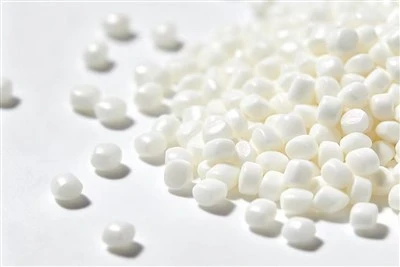
At the end of the day, when you’re building a medical product, you need something that’s safe for patients, easy for staff to use, and cost-effective to make. TPE checks all those boxes, and it’s only going to get more common as new blends are developed. If you’re looking to upgrade a current product, or launch a new one, and want to talk about how TPE can work for your needs, don’t hesitate to reach out. We’d be happy to walk you through sample blends, test data, and how TPE can save you time, money, and even improve patient outcomes.
TPV References:
- U.S. Food and Drug Administration (FDA). Latex Allergy: Prevention and Management. 2022
- International Organization for Standardization (ISO). ISO 10993: Biological Evaluation of Medical Devices, 2019
- Medical Plastics News. TPEs in Medical Devices: Trends and Applications, 2023
- American Society for Testing and Materials (ASTM). Standard Guide for Property Characterization of Thermoplastic Elastomers for Medical Applications, 2021
Kunshan Kesun Polymer Co., Ltd.
Kunshan Kesun Polymer Co., Ltd. is one of the most professional TPE manufacturers and suppliers in China, featured by quality products and low price. Please feel free to wholesale bulk eco-friendly TPE from our factory. Contact us for customized service and free sample.
Address: No.108,Jinmao Road,Zhoushi Town,KunShan ,Jiangsu,China
E-mail: melody_yang@kesuntpe.com
WebSite: https://www.kesun-tpe.net/
