If you’re in the composite film game—whether you’re a brand looking to make sure your product’s design is fresh, or a fellow supplier like me who needs to stay ahead of the competition—searching for patents related to this stuff can feel like navigating a messy warehouse at 2 a.m. I’ve been doing this for 8 years now, and I’ve stumbled through so many bad searches before I figured out what actually works. Composite films aren’t just “plastic with a layer added on”—they’re the thin, versatile stuff used in everything from food packaging to phone screens, solar panels, and even medical devices. The patents around them are super specific, so generic searches will just leave you with a bunch of useless noise. Let me walk you through how to get this right, no stuffy jargon required. Composite Film
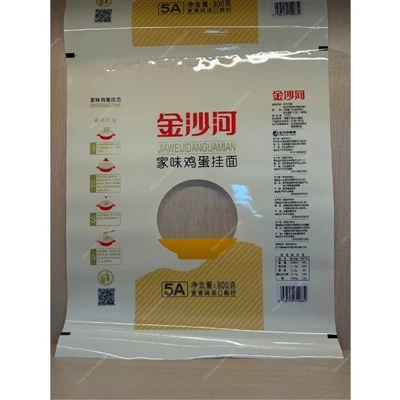
First off, let’s ditch the obvious mistake: typing “composite films” into Google Patents and hitting search. You’ll get 10 million results, half of which are for tiny plastic sheets that have nothing to do with the multi-layered, high-performance stuff we supply. The key here is to break down what makes composite films unique—they’re made by combining two or more distinct materials, right? Like a layer of polyethylene for moisture resistance and a layer of PET for strength, maybe a thin aluminum layer for barrier properties if you’re doing food packaging. So your search terms need to reflect those layers and their jobs, not just the final product name.
Here’s the trick I use: mix material names, layer functions, and application terms instead of just “composite film.” For example, if you’re looking for patents about food packaging composite films, try terms like “multi-layer film polyethylene PET aluminum barrier” instead. If it’s for flexible solar cell backsheets, swap in “polyimide ethylene vinyl acetate composite film for solar.” Also, don’t sleep on abbreviations—industry folks use these all the time: PET is polyethylene terephthalate, EVAc is ethylene vinyl acetate, PE is polyethylene, PA is nylon. Using these will cut through so much junk because most patents use the standard shorthand. Pro tip: start with your core product’s materials first, then add what it does. If you’re supplying heat-sealable composite films, throw “heat sealable” in there too. This isn’t rocket science, but it’s way more targeted than a vague search.
Next, pick the right patent databases. I’ve tried a bunch, and free ones work for most daily searches, but if you need deep dive, paid ones are worth it. Let’s start with the free ones because not everyone wants to shell out. Google Patents is still the go-to for beginners, but you have to use its advanced search filters—seriously, skip the basic bar. Under “filters,” you can narrow by date (if you want only patents from the last 5 years, which is all you need for most product work), by country (if you’re only dealing with EU or US markets, don’t get patents from Japan unless you need to), and by patent type (utility patents are the ones that cover functional inventions, so skip design patents unless you care about looks). Another free one is PatentsView from the USPTO—it’s way less cluttered than Google’s, and it’s great for pulling up big-picture trends, like which materials are trending in composite films right now.
If you’re willing to pay a little for better results, I swear by WIPO’s (World Intellectual Property Organization) PATENTSCOPE. It has patents from almost every country on the planet, so if you’re selling globally, you don’t miss stuff. It also lets you run “family searches” to see all the versions of one patent across different countries, which is super helpful if you’re checking if a patent is active in your target market. Then there’s the paid ones like Derwent Innovations Index—this one organizes patents by technology area, so you can filter directly to “polymeric films” or “multi-layered composites,” which saves you from sifting through unrelated stuff. The only downside is it’s usually through university or corporate subscriptions, but if you’re in the composite film biz, it’s worth bugging your company to get access.
Wait, one thing most people miss when searching for composite films: looking at the “background” and “detailed description” sections of patents, not just the title. The title will almost always say something vague like “Multi-layer Barrier Film” which sounds good, but the background will tell you exactly what problem the inventors were trying to solve. Like, maybe they were making a composite film that’s more flexible for wearable tech, or has a better oxygen barrier for fresh produce. That’s exactly the kind of info that will tell you if the patent is relevant to your work—way more than the title. I once spent an hour looking at a patent that sounded perfect for our medical packaging line, only to find in the detailed description it was for a film used in car parts, not food or medical. Don’t make that mistake.
Also, watch out for patents that are “prior art” — that’s industry speak for old patents that describe similar stuff. If you’re designing a new composite film, you don’t want to accidentally infringe on a patent that’s already been issued. So when you’re searching, you can also do a “citation search” to see what patents cite the ones you’re looking at. That’s how you find the stuff that’s actually relevant to current product development, not just random old inventions from the 1990s. I usually pair that with checking the patent’s status—active, expired, or abandoned. A lot of patents from the 2000s are expired now, so you can use that tech freely, but active patents mean you have to be careful.
Let me give you a real example of a search I did last month. We were working on a new composite film for lithium-ion battery separators, and I didn’t just type “composite film lithium ion.” I went to WIPO PATENTSCOPE and plugged in: “multi-layer ceramic coated polyethylene polypropylene film lithium ion battery separator ion conductivity.” That got me 120 results, down from thousands when I used the basic search. Then I filtered to only patents issued in the last 10 years, and only from countries where we sell our materials (US, EU, China). From there, I found 8 patents that were actually relevant—all the rest were for battery electrodes, not separators. That saved me hours of scrolling, and I found a great patent that had a cool trick for improving the film’s thermal stability, which we ended up adapting for our product. Win-win.
Another tip: follow the assignees. Assignees are the companies or people that own the patent, not the inventors. In the composite film space, big players like Dupont, 3M, even smaller specialty suppliers like us file a ton of patents. If you see a patent from a company you work with, or a competitor, you can set up alerts for their patents. That way, whenever they file a new one, you get an email, so you can stay on top of what they’re developing. I do this for 10 key competitors and it’s been a game-changer for keeping our products ahead. Also, don’t sleep on university patents—lots of big composite film innovations come from university research labs, and they’re often licensed out to smaller companies, so those patents are super relevant too.
Wait, let’s talk about what to avoid. I used to make the mistake of searching for “composite film material list” which just brings up random Wikipedia pages, not patents. Or using too narrow terms—like only “PET aluminum composite film” — that would miss patents that add a nylon layer, which is a common variation. You want to be specific enough to filter, but not so narrow that you miss related, useful patents. Also, don’t use brand names unless you’re looking for a specific product—like if you’re searching for a patent for DuPont’s Mylar film, that’s fine, but generic terms will get you nothing.
Oh, and if you’re confused about a patent’s claims—those are the legal parts that define exactly what the invention is—don’t be afraid to hit up a patent lawyer, but for most daily searches, the basics work. I’ve been at this long enough that I can spot a relevant patent in 10 seconds now. If you’re new, just practice with a few different search terms until you get the hang of it. It’s not about being perfect, it’s about being targeted.
At the end of the day, searching for composite film patents isn’t just about avoiding legal headaches—it’s about making better products. As a supplier, we need to know what’s out there so we can make films that meet the latest needs, whether that’s a food packaging film that extends shelf life, a solar backsheet that lasts 25 years, or a medical film that’s flexible enough for wearable devices. If you’re a brand looking to source composite films, these patent searches can also help you understand what’s possible, or make sure the film you’re buying is actually unique and not infringing on someone else’s work.
If you’re in the market for custom composite films, or if you want to learn more about how we develop our products with patent trends in mind, feel free to reach out to talk through your needs. We’ve been supplying high-quality composite films for over a decade, and we’re always happy to help with whatever questions you have.
Composite Film References
- United States Patent and Trademark Office (USPTO). PatentsView: A Novel Patent Data Visualization and Search Tool. 2015.
- World Intellectual Property Organization (WIPO). PATENTSCOPE User Guide. 2022.
- Derwent, Clarivate. Derwent Innovations Index: Technology Classification Manual. 2021.
- American Chemical Society (ACS). Composite Films: Materials, Applications, and Patent Landscape. 2020.
- European Patent Office (EPO). Advanced Search Guide for Multi-Layered Composite Materials. 2023.
Jiangsu Dino New Materials Technology Co., Ltd.
With abundant experience, we are one of the most professional composite film manufacturers and suppliers in China. We warmly welcome you to wholesale customized composite film made in China here from our factory. If you have any enquiry about free sample, please feel free to email us.
Address: South of Hangzhou Road and east of Hengshan North Road, Sihong Economic Development Zone, Sihong County, Suqian City, Jiangsu Province, China
E-mail: 19551836609@139.com
WebSite: https://www.jsdinuo.com/
