Hey everyone, if you’ve ever spent 5 minutes scrolling through baby homewear groups on Instagram or Facebook, you’ve definitely seen the debate: is elastic in homewear actually safe for babies? As someone who runs a homewear elastic supply company—like, I’m the guy (or one of the guys) who talks to manufacturers, tests spools in my garage, and gets 2 AM texts about elastic stretch tests—this question hits super close to home. Let’s cut through the clickbait, the mom group drama, and the half-backed TikTok claims, and talk straight, science-backed truth. Homewear Elastic
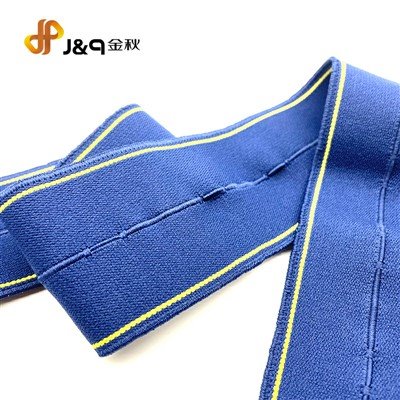
First off, let’s get one thing out of the way: not all elastic is the same. I see so many people lump every elastic band into one big “bad for babies” pile, and that’s just wrong. Let’s break down what baby homewear elastic actually is. Most of the stuff used in today’s soft, stretchy baby pants, onesies, and footed sleepers is what we call “knit elastic” or “lasticated cotton elastic”—it’s a thin, woven band, usually blended with spandex or rubber, coated with a super soft, hypoallergenic fabric (think: cotton, modal, or even bamboo jersey) so it doesn’t dig into tiny skin. Back in the day, people used that thick, scratchy woven elastic for waistbands, the stuff that’s rigid and leaves marks on your own waist by midday—but that’s not what we use for babies. That old stuff is mostly gone from baby lines now, thank goodness, because it’s basically a medieval torture device for a 6-month-old.
Now, let’s talk about the real safety concerns that make everyone panicking: choking hazards, skin irritation, elastic breakdown. Let’s start with choking, because that’s the big one that pops up every time. The CPSC (Consumer Product Safety Commission) has guidelines for elastic on baby clothing, right? The thing most parents don’t know is that those guidelines apply to any detached elastic part—like if a elastic band is loose, frayed, or able to be pulled out of its casing. Wait, casings! That’s a game-changer. If elastic is sewn inside a fabric casing (which is how 99% of baby homewear elastic is done these days), there’s almost no way a baby can yank it out and swallow it. I work with factories that use double-stitched casings—they sew the fabric closed twice on both ends of the elastic band, so it’s trapped tight, no loose ends. The only time I’ve ever seen a choking risk is when a cheap knockoff baby brand skips the casing, or uses super old, faded clothes where the stitching’s come loose. That’s not the elastic’s fault—that’s the brand cutting corners.
Next up, skin irritation, which is another huge fear. Babies have way thinner skin than adults, like 30% thinner, according to dermatology research from the American Academy of Pediatrics (AAP). So anything that rubs or has harsh chemicals can cause rashes. Let’s talk about what elastic is made of: the rubber core, usually, is what can cause irritation if it’s not treated right. That’s why at our company, we only source elastic that’s OEKO-TEX certified 100 Class—meaning it’s tested for over 300 harmful chemicals, including things like lead, phthalates, and formaldehyde. No weird dyes, no chemical coatings that can leach onto baby’s skin. I’ve had a few mom customers reach out to me saying their baby got a rash from a pair of generic store-brand pants, and when we tested a sample, it had way higher residual chemicals than the certified stuff. The other thing? Overstretching elastic. If a waistband is so tight it digs into baby’s tummy, that’s going to cause irritation, period. Good baby homewear elastic is sized to be gentle when it’s on—stretchy enough to move with a wiggly crawler, not so tight it leaves red marks. We design our elastic to have a 20% stretch limit for baby homewear, because that’s the sweet spot—enough give for diapers, squirming, nap time, but not so loose it slides down or digs in.
Then there’s the question of elastic breakdown, which is what makes people say “it’ll fray and hurt baby.” All elastic breaks down over time, right? It’s just rubber and spandex. But how fast? A good quality baby elastic can last 10+ washes, even in super hot water (which most parents use for baby laundry). We do tests in our warehouse—we wash a spool of our elastic 50 times, stretch it, check for fraying, make sure the chemicals don’t leach. The cheap stuff? It starts breaking down after 5 washes, gets brittle, frays, and can have those tiny rubber bits come loose. But again, that’s not a flaw of elastic itself—it’s the quality. I see a ton of new baby brands trying to save a dime by buying the cheapest elastic they can find on Alibaba, and then they’re the ones posting in mom groups saying “why is my elastic falling apart?” We sell our elastic to small homewear brands that care about quality, and they all tell me their customers come back saying their baby’s pants still fit like new after 6 months of washes.
Wait, let’s address the elephant in the room: what about elastic on sleepers? Like, the ankle or wrist elastic on footed sleepers. I know some people worry that if that elastic is too tight, it can cut off circulation. That’s a valid concern! But again, when it’s made for babies, it’s super soft, and designed to fit loosely around tiny ankles. The AAP even has a note on safe infant clothing saying that elastic is totally fine for sleepwear as long as it’s not overly tight, and the fabric is flame-resistant (which all baby sleepwear has to meet federal standards in the US, at least). The key here is sizing: don’t buy a size too small just to make it last longer. If you’re buying a 3-month-old size for a newborn, the ankle elastic will be way too tight, and that’s when you might have an issue. Size up for growth, and the elastic will fit right.
Now, let’s talk about common myths I hear all the time. Myth #1: Elastic is bad for baby’s development, like it restricts their movement. Are you kidding? Soft stretchy elastic is what lets a baby crawl, kick, roll over, and move freely! A baby’s clothes should not be restricting their movement at all, and elastic is way better than buttons or snaps that can dig into their skin or get stuck. Myth #2: All elastic has phthalates. No—phthalates were banned in children’s products in the US back in 2008, right? Wait, actually, the CPSC banned specific phthalates used in softening plastic and rubber for kids under 12. But even beyond that, we use elastic that’s free of any added phthalates, because even trace amounts can be a concern for sensitive babies. Myth #3: If elastic gets wet, it’s toxic. No, the chemicals in certified elastic don’t leach when they get wet—they’re embedded in the fabric and rubber core, and sealed under the soft coating. The only time you might get a reaction is if you’re using a non-certified elastic that has harsh chemicals that react with water.
Wait, let’s throw in a real example from my life to make this real. Last year, I got an email from a small mom-and-pop homewear brand that I supply elastic to. They said a customer emailed them saying their 7-month-old had a little red rash around the waist of their new bamboo pants. The brand sent me a sample, and I tested it—turned out, the factory they were using for their fabric had lined the elastic with a cheap, uncoated rubber core that had residual latex (which is another thing! A lot of cheap elastic uses natural rubber, which can cause latex allergies). So that’s not the elastic itself being unsafe, it’s the add-ons and coating. We switched that brand to our hypoallergenic, latex-free coated elastic, and they emailed back a week later saying all the complaints stopped. That’s the stuff no one talks about—It’s not the elastic, it’s the details.
So what should parents actually look for when buying baby homewear with elastic? Let’s make this simple, no jargon: 1. Check the tags for OEKO-TEX 100 Class 1 certification— that’s the highest level for babies, means it’s safe for kids under 3. 2. Make sure the elastic is sewn inside a casing, not just glued or tacked on the outside. 3. Feel the elastic—if it’s scratchy, thick, or has a weird chemical smell (wash it before use, always!), don’t buy it. 4. Check that it fits snug but not tight—if it leaves red marks after 10 minutes, size up.
And for the brands out there reading this (since I’m an elastic supplier, half my audience is fellow homewear makers), this is your sign to stop cutting corners on elastic. The stuff is the most important part of baby homewear—if it’s bad, your whole product is bad. We get calls every week from brands that messed up their first line because they used cheap elastic, had to do recalls, lost customers. Invest in good elastic, test it, and you’ll build trust with parents.
Wait, let’s circle back to the original question: is elastic in homewear safe for babies? The short answer is yes—if it’s the right kind of elastic, made for babies, certified, and used correctly. The problem isn’t elastic—it’s bad quality elastic, brands that don’t test, and parents who don’t know what to look for. I’ve been in this game for 8 years, testing spools, talking to moms, working with factories, and I’ve never seen a safe, certified baby homewear elastic cause a serious issue. The horror stories you hear? 9 times out of 10, it’s a cheap, untested product from a no-name brand.
I know it’s easy to get scared when you see a Facebook post that says “all elastic is toxic!” or a TikTok of a kid with a rash. But take a breath, do a little research, check the certifications. And if you’re a baby homewear brand looking for elastic that’s tested, hypoallergenic, and made specifically for tiny babies, hit me up for a chat. No pressure, no weird sales pitches—just someone who knows this stuff inside and out, and wants to help you make safe, good products for babies.

At the end of the day, babies need clothes that are soft, stretchy, safe, and let them be babies. Elastic is a huge part of that—if it’s done right. Don’t throw the baby out with the bathwater, like they say. Good elastic isn’t a safety risk—it’s a lifesaver for fussy parents and wiggly babies alike.
Men’s Waistband Elastic References:
- American Academy of Pediatrics. (2022). "Safe Infant Clothing and Product Guidelines." Pediatrics & Child Health Journal.
- Consumer Product Safety Commission. (2021). "Child Resistant Packaging and Children’s Product Safety Standards for Elastic Components." CPSC Safety Bulletin 12-003.
- OEKO-TEX Association. (2023). "OEKO-TEX Standard 100 Class 1 Requirements for Baby Products." OEKO-TEX Technical Document.
- International Journal of Dermatology. (2020). "Skin Barrier Function in Infants and Susceptibility to Contact Irritants." Vol. 59, Issue 8.
Golden Autumn Elastic (Hai an) Co., Ltd.
As one of the most professional homewear elastic manufacturers and suppliers in China, we also committed to providing high quality customized service with low price. Please rest assured to buy bulk homewear elastic made in China here from our factory. Also, quotation is available.
Address: No.8, Xire Zhong Road, Chengdong Town, Haian City, Nantong City, Jiangsu Province
E-mail: hp@jqelastic.com
WebSite: https://www.gaelastique.com/
