If you’ve been around older Ford trucks for any amount of time, you know they’re iconic—built to haul, tow, and last through way more than most other rigs would dare to handle. But as a chassis and suspension supplier for Ford, GMC, and Mazda (and I’ve worked with hundreds of these old Fords over the years), I’ve seen the same problems pop up again and again with models from the 90s, early 2000s, and even some mid-2000s half-ton and super-duty trucks. Most of these issues aren’t from bad design—they’re just wear and tear that hits harder on trucks that get used for actual work, not just Sunday drives. Let’s break down the most common ones, and why they matter if you’re keeping an old Ford on the road. For Ford GMC Mazda Chassis and Suspension Systems
First up: rusted frame rails. This is probably the number one headache for anyone with a 1997–2004 F-150 or a Super Duty from the same era. Ford used mild steel for frame rails back then, not the high-grade corrosion-resistant stuff they switched to later, especially in areas that get snow and salt on the roads in winter. I’ve seen frames that look solid from underneath until you tap them with a pry bar, and the whole rail crumbles like dry bread. It’s not just surface rust, either—hidden rust inside the frame’s hollow sections eats away at the metal from the inside out, so by the time you notice a hole, the damage is already halfway done. What makes this worse for work trucks? If you’re hauling heavy loads or towing big trailers, that weakened frame can twist or crack under stress—we’ve pulled in trucks where the front spring hanger literally tore off the rail because of rust. A lot of people try to patch frame rust with spray-on rust converter, but that’s a band-aid. We’ve fixed so many rigs where a bad patch failed after six months and caused way more damage than just replacing the section would have.
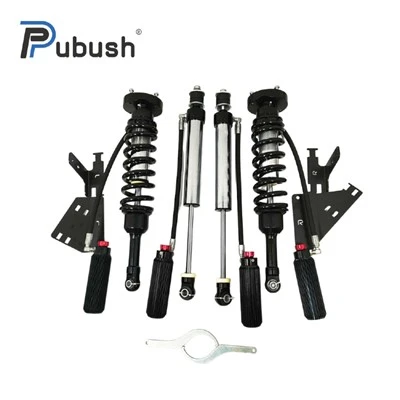
Next: worn leaf springs and spring hangers, especially on Super Duty trucks. Leaf springs on older Fords are designed to be tough, but again, heavy use and time take their toll. The bushings on the ends of the springs—those rubber or polyurethane pieces that let the springs flex as the truck moves—break down over time. When the rubber cracks and falls apart, you get clunking noises when you go over bumps, and the suspension doesn’t track straight. Worse, the spring hangers—those metal brackets that hold the springs to the frame—often rust out, just like the frame rails. We see Super Duty trucks where the rear spring is sitting at an angle because the hanger broke loose. And don’t even get me started on U-bolts. Those metal bolts that clamp the spring to the axle? They stretch over years of heavy loads, and if they’re not torqued correctly when you install new springs, they can snap. I’ve had guys come to us after replacing leaf springs themselves, only to have a U-bolt break while towing a 10,000 lb boat on the highway. It’s not a problem you can ignore—bad springs will make your truck handle like it’s drifting, and that’s dangerous.
Then there’s ball joint failure, which is super common on F-150s from the mid-90s to early 2000s. Ball joints are what connect the steering knuckle to the control arm, and they take a ton of stress every time you turn or hit a bump. Older Ford trucks used “non-greasable” ball joints back then, which meant once the factory grease wore out, there’s no way to lubricate them. They dry out, get corroded from road salt, and seize up. The warning signs are subtle at first: a little play in the steering wheel, or a squeak when you turn. But if you ignore it, the ball joint can separate from the control arm while you’re driving. That’s a huge safety risk—we’ve had trucks come in with the front wheel almost falling off because of a failed ball joint. A lot of people wait too long to replace them, thinking it’s just a minor noise, but for older Fords, that’s a mistake. We always recommend checking ball joints every time you get an alignment or a brake job, because by the time the play is noticeable, the joint is almost done.
Another one: worn steering components, like tie rods and idler arms. Older Ford trucks have a steering system that’s built for durability, but again, time and use kill it. Tie rods connect the steering box to the wheels, and their rubber boots crack, letting in dirt and moisture, which causes corrosion and wear inside. Idler arms, which help support the steering linkage, also wear out, leading to that loose, sloppy feeling in the steering. You’ll notice it when your truck wanders on the highway, or you have to overcorrect to stay in a lane. For trucks that tow a lot, this gets way worse—extra weight puts more stress on the steering, so components wear out faster. We’ve replaced entire steering linkages on F-250s that were used for farm work, because the tie rods had so much play you could move the steering wheel an inch before the wheels turned. This isn’t just annoying; it makes the truck hard to control, especially at highway speeds.
Don’t forget about the front end suspension bushings, too. The rubber bushings on control arms, sway bars, and strut rods harden and crack over years of exposure to heat, cold, and road gunk. When those bushings go bad, you get vibration through the steering wheel, clunking over bumps, and even uneven tire wear. A lot of people don’t realize that bad bushings are a big cause of alignment problems—if the control arm moves around, your wheels can be out of alignment, which wears out tires fast. We see this all the time on 2000s-era F-150s that get used for commuting: their bushings are worn so bad, their front tires are cupped and bald in six months, because no one checked the bushings when they got a alignment. Polyurethane bushings are a popular upgrade for older trucks, because they last way longer than rubber and hold their shape better, which fixes a lot of these issues.
Wait, what about the rear end? Yeah, there’s one issue there too: leaf spring eye bolts and shackles. The shackles are the metal pieces that connect the rear leaf springs to the frame, and they wear out just like the spring hangers. The bolts that hold the shackles on can rust, stretch, or break, especially if you’re hauling heavy loads. We’ve had a few trucks come in where a rear shackle bolt broke while they were carrying a load of gravel, and the rear end shifted sideways. It’s not a common issue, but when it happens, it’s a big problem. The good news is that these parts are cheap to replace, so it’s something you can catch early if you do a quick inspection under the truck every few months.
Now, why do these issues matter for old Ford trucks specifically? Ford’s trucks from that era are workhorses, but they were built without the same corrosion protection that later models got. Most of these issues stem from two things: time, and misuse. A truck that’s only driven on nice roads, parked in a garage, and rarely hauled anything will have way fewer problems than one that’s used for plowing snow, towing heavy trailers, or hauling construction materials, especially in salted climates. But even the nicest kept 20-year-old Ford will have some wear and tear. That’s where we come in—we specialize in chassis and suspension parts for Ford, GMC, and Mazda, so we know exactly what parts fit, how they should be installed, and how to fix these issues before they turn into big, expensive repairs.
If you own an older Ford truck and are dealing with any of these problems, don’t wait until it’s a safety hazard. A lot of people try to DIY these repairs to save money, but if you don’t know what you’re looking for, you can make the problem worse. For example, when replacing frame sections, you need to make sure the new metal is properly grounded and painted to prevent more rust, or it’ll just rust out again in a year. When replacing ball joints, you have to make sure they’re torqued to the right specs, not just cranked down as tight as you can. Our team has been working with these trucks for years, so we can get the right parts, do the repair right, and save you money in the long run by avoiding future breakdowns.

If you’re a mechanic who works on older trucks, or a truck owner who wants to keep their Ford running for years to come, we can hook you up with quality, OEM-grade chassis and suspension parts, plus advice on how to inspect and maintain your truck to avoid these common issues. We know every quirk of older Ford trucks, so we don’t waste time guessing what part you need, or giving you advice that doesn’t apply to your specific model. Reach out to us to talk about your needs, whether you’re replacing a rusted frame section, fixing worn ball joints, or upgrading your suspension for heavier loads. We’re here to help you keep your Ford truck on the road, safely and reliably.
Sway Bar References:
- Automotive Rust Prevention Association. (2018). Corrosion Trends in Light-Duty Truck Frame Rails.
- National Highway Traffic Safety Administration. (2001). Defect Investigation Report: Ford F-Series Ball Joint Failures.
- Truck Maintenance Council. (2020). Suspension and Steering Wear Patterns in Medium-Duty Work Trucks.
- Chassis OEM Engineering Standards. (2005). Leaf Spring and Hanger Design for 1997–2005 Ford Super Duty Models.
Xingtai Refined Machinery and Auto Accessory Co., Ltd.
Xingtai Refined Machinery and Auto Accessory Co., Ltd. is one of the most professional for ford gmc mazda chassis and suspension systems manufacturers and suppliers in China, featured by quality products and low price. Please rest assured to wholesale durable for ford gmc mazda chassis and suspension systems made in China here from our factory. Customized orders are welcome.
Address: XINGTAI REFINED MACHINERY AND AUTO ACCESSORY CO., LTD507 NORTH TAIHANG ROAD, XINGTAI CITY, HEBEI PROVINCE, PR.
E-mail: Lindy@pubush.com
WebSite: https://www.pubush-suspension.com/
