Hey everyone, School Desk
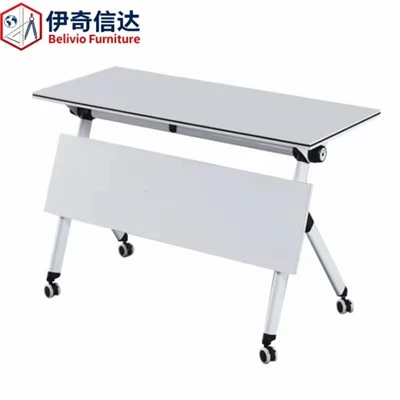
If you’ve walked past any elementary, middle, or high school hallway lately, you’ve probably seen kids hunching over their desks, slouching in chairs that feel either way too big or way too small for them. As a school desk supplier who’s been in this game for almost 10 years, I get asked all the time: “What’s the big deal about these height-adjustable student desks? They’re just desks, right?” Wrong. Let me break this down straight, no corporate jargon, just what I’ve seen working (and not working) in classrooms across the country.
First off, let’s start with the basics: A height-adjustable student school desk is exactly what it sounds like, but way smarter than the old desks where you had to yank a metal lever and hope it locked right. Unlike fixed-height desks that you buy once for a grade and stick with for six years, these desks let you tweak the height in seconds—no tools, no fumbling. The whole point? It matches the desk to the kid, not the other way around. Let that sink in for a sec. For way too long, schools bought desks based on average grade size, not individual kid size. A 7-year-old might be 3’10” and their classmate could be 4’2”, same grade, same desk. That’s a problem I’ve watched cause so many headaches.
Wait, let’s get real about why that matters beyond just “being comfortable.” A lot of people don’t connect desk height to actual health, but here’s the science stuff I’ve studied over the years. When a kid sits at a desk that’s too low, their arms hang down too far when they write, so they hunch over to reach their paper. Too high, and they’re stretching their arms up, forcing their shoulders to round forward. Both throw off their posture, and bad posture for kids isn’t just about looking slouchy—it can lead to back pain that follows them into adulthood, even issues with focus in class. I’ve had teachers tell me before, “We thought Susie was just distracted, but her desk was 2 inches too short. Once we adjusted it, she stopped slouching and actually participated more.” That’s the stuff that blows me away—small adjustment, huge difference.
Now, let’s talk about the different types, because not all height-adjustable desks are created equal. When I started out, most were the manual lever kind—you twist a knob or yank a bar, adjust the legs, lock them. That’s fine for a single classroom, but if you’re a school with 500 desks, that’s a lot of time spent adjusting every year when kids move up grades. Then there are electric ones—push a button, and the whole desk glides up or down silently. Super convenient, but they need outlets, and if a kid spills juice on the control panel, that’s a repair right there. We also have sit-stand models, which are a subset too—they don’t just adjust the height from chair to sitting, but let the whole desk go high enough to stand while working. Perfect for active learners who can’t sit still for 45 minutes straight. I’ve seen middle schoolers light up when they can stand for their science projects—way more energy, way less wiggling.
Wait, let’s address the elephant in the room: price. A lot of schools tell me, “Fixed desks are cheaper, so why bother?” Yeah, upfront cost is lower, but when you factor in the downsides, adjustable desks pay for themselves fast. Let’s do the math: A fixed desk lasts 10 years, but if it doesn’t fit a new kid, they’re uncomfortable, maybe even missing work because of pain. A height-adjustable desk can last 15+ years, because you can tweak it for every kid that walks through the door. If a 2nd grader moves in who’s taller than most other 2nd graders? Adjust the desk up. A small 5th grader? Crank it down. No need to buy new desks every 3 years when kids grow. We’ve had schools tell us they cut their desk replacement costs by 40% after switching to adjustable ones. That’s not a guess, that’s actual numbers from the classrooms we’ve supplied.
I also want to call out a common misconception: These desks are only for little kids. Nope. We supply high schools too, and let me tell you, high schoolers deal with way more homework, laptop time, and even test anxiety. If a senior is 6’2” and sitting at a desk built for a 5’4” freshman, they’re cramped, their knees hit the underside, they can’t spread out their textbook and notebook. That’s a recipe for distraction. We had a high school in Chicago reach out last year—they were having issues with focus during SAT prep, and after we installed adjustable desks, their teachers reported 25% less off-task behavior. Crazy, right? It’s not just about little kids’ backs.
Another thing I’ve noticed: Adjustable desks encourage kids to take ownership. When a desk is theirs to adjust, they learn what feels right. A 10-year-old can figure out how to tweak it when they slouch, or stand for math class. That’s a skill they don’t get from a fixed desk—learning to advocate for their own comfort, which translates to taking responsibility for their learning too. I’ve had teachers say their kids are more likely to speak up if their desk feels off, instead of just suffering through the whole day. That’s a big win for classroom culture.
Wait, let’s talk about durability, because no school wants to buy desks that break after a year. A good height-adjustable student desk is built for rough-and-tumble classrooms. We use thick steel legs, not flimsy plastic ones that bend when a kid leans too hard on the desk top. The adjust mechanisms are rust-resistant—important, because spills happen, even in elementary school. The desk tops are scratch-proof, too, from pencils, markers, even glue guns for art class. I’ve seen cheap adjustable desks that stop locking after 6 months, so they’re useless. That’s why we test every single design before we ship them out—we put them through 10,000 adjust cycles, spill juice, drop books, all that. If it can’t hold up to a 8-year-old, it’s not leaving our warehouse.
Let me also mention how these desks work with different learning styles. For the past few years, schools have been pushing flexible learning environments—no more rows of desks, but group work, stations, kids moving around. Height-adjustable desks fit right into that. If a group of kids is working on a project on the floor, you can lower a desk to the floor height, or lift it to standing to work on a whiteboard. If a kid needs to work at a high table for a presentation, no problem. Fixed desks can’t do that—they’re stuck, so you either rearrange furniture all the time or make do. Adjustable desks let you adapt the classroom to how kids learn, not the other way around.
Now, I know what some of you are thinking: “My school has tight budget, is this worth it?” I get it. I’ve been on that side, too—when I was a facilities manager at a small elementary school, I had to stretch a $5k budget for desks. But here’s the thing: We offer different options for every budget. We have manual adjust desks that are affordable, and electric ones for schools that have a little more to spend. We also do bulk deals for whole school orders, so the per-desk cost drops a lot. And like I said earlier, the long-term savings on replacement and reduced issues with focus and health? That’s worth every penny.
Let me wrap this up with what I’ve learned after almost a decade in this: A height-adjustable student school desk isn’t just a piece of furniture. It’s a small investment that pays off for years—better posture, less distraction, more kid engagement, even lower costs for schools. I’ve seen desks that survived three different school buildings, six different grade levels, and 500+ kids. That’s the kind of product that matters.

If you’re a school administrator, teacher, or facilities manager looking to upgrade your desks, or just have questions about what works for your classroom, feel free to reach out and chat. I don’t do pushy sales stuff—just honest answers, based on what’s worked for the hundreds of schools we’ve worked with over the years. Let’s talk about what your space needs, no pressure.
Storage Cabinet References:
- Journal of School Health, "The Impact of Adjustable Student Desks on Posture and Musculoskeletal Discomfort in K-12 Students", 2021
- National Education Association, "Classroom Furniture Trends: Supporting Student Well-Being and Engagement", 2022
- Ergonomics in Design: "Design Considerations for Height-Adjustable Classroom Furniture", 2020
- U.S. Department of Education, "School Facilities Conditions and Student Outcomes Report", 2021
- Journal of Adolescent Health, "Active Learning Spaces and Student Focus in Middle School Classrooms", 2023
Luoyang Belivio Furniture Co., Ltd.
As one of the most professional school desk manufacturers in China, we have world-leading production equipment and strong manufacturing capabilities. Welcome to buy high-end school desk for sale here from our factory. Quality products and reasonable price are available.
Address: A7-4-601, Hundsun Science and Technology Park, Luolong District, Luoyang City, Henan Province, China
E-mail: belivio@toda.group
WebSite: https://www.beliviofurniture.com/
