If you’ve ever stood in a gravel shop aisle scrolling through the maze of tire tubes and wondered, “Wait, are TPU tubes actually worth the hype for every rider?”—let me cut to the chase. As someone who’s been knee-deep in testing, tweaking, and selling gravel-specific TPU tubes for years, I’ve gotten this exact question a hundred times. From the weekend warrior who rolls out for a 30-mile gravel cruise on Saturdays to the pro racer who’s chipping seconds off every lap at Unbound, the answer isn’t a one-size-fits-all “yes” or “no” — it’s way more nuanced than that. Gravel TPU Tubes
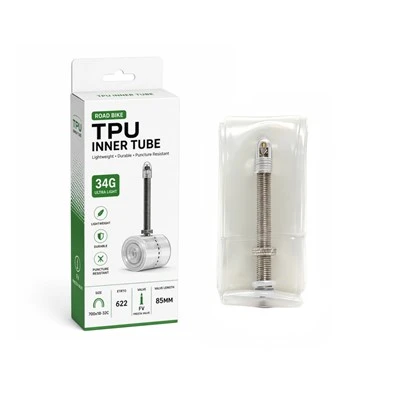
First, let’s get the basics out of the way for anyone who’s new to the TPU game. TPU stands for thermoplastic polyurethane, a super strong, lightweight polymer that’s basically the opposite of the old-school butyl tubes most of us grew up with. Butyl is cheap, durable, and thick enough to handle punctures, but it’s heavy. A standard 700c butyl tube clocks in around 120-150 grams; a comparable TPU tube? Half that, sometimes less than 50 grams. For gravel riders, that weight savings is gold—less rotational mass means faster acceleration, easier climbing, way less bounce on choppy rock terrain. That’s the sell, right? But the catch is that TPU is thinner, stiffer, and way less forgiving than butyl. That’s where the skill level piece comes in, because how you ride, maintain, and set up your bike changes drastically depending on how much time you’ve got on gravel.
Let’s start with the newest, or casual, gravel riders — folks who might only get out 2-3 times a month, ride 20-40 mile loops on maintained gravel, maybe a little packed dirt, and are still figuring out how to not swap out their chain every other month. I’ve seen so many new gravel riders buy super light TPU tubes first, thinking “less weight = better” without realizing what they’re signing up for. TPU tubes don’t stretch or flex like butyl does. If you’re used to shoving a tight butyl tube into a tire and working it with your hands to get it seated right? TPU fights you on that. I’ve had new customers come back to me saying “your tubes are impossible to inflate!” and it’s almost always because they didn’t seat the bead right, overinflated a little too fast, or didn’t work the tube evenly into the tire’s rim strip. Casual riders often don’t have the tools or patience to troubleshoot that. Also, TPU is way more puncture-prone if you pinch flat it. A pinflat happens when you hit a rock or root just right, and the tube gets squeezed between the rim and the tire bead. Butyl is thick enough to absorb that; TPU is thin enough that even a minor pinch can put a hole right through it. For a casual rider who might be more likely to ride on rougher terrain or not check their tire pressure as often (pro tip: gravel tire pressure is way lower than road—like 25-35 PSI for 700c, not 80), those pinflats add up. I’ve had a new customer tell me they went through three TPU tubes in a month because they kept pinching them on a rocky section, and they switched back to butyl and haven’t looked back. That’s not to say TPU is bad for casual riders—just that it’s not the best fit for most of them, at least not without a little education. If a casual rider is willing to take 10 extra minutes to seat their tube properly, check their pressure every ride, and stick to a more maintained loop? They can get away with it. But most casual riders are just out to enjoy the ride, not fuss with tube installation every time they go out.
Next up, the mid-level gravel rider—those are the ones I sell the most TPU tubes to, honestly. They ride 5-8 times a month, do 50-100 mile routes, maybe hit a gravel race or two, know how to fix a flat on the side of the road, and have a pretty good handle on their bike setup. This group is where TPU tubes shine for most people, and the skill level lines up perfectly. Mid-level riders know their way around tire pressure—they’re running lower pressures for better traction, which reduces pinflats (wait, no, wait—wait, lower pressure can lead to pinch? No, actually, if your pressure is set correctly, the tire compresses around the rock instead of squeezing the tube. Mid-level riders get that. They also know how to seat a TPU tube; it’s not that hard once you’ve done it a couple times. I recommend letting the tube sit at room temperature for 10 minutes before installing it, because TPU gets a little stiff when it’s cold, and warm is way easier to work with. Mid-level riders also notice the weight difference. I had a customer who’s a school teacher, rides gravel every Tuesday night and long rides on weekends, he switched to our TPU tubes and told me he saved almost a pound total on his wheelset, which made climbing a big local gravel hill way easier—he said he shaved 5 minutes off his time up it. That’s the kind of real, tangible benefit that mid-level riders care about, because they’re putting in the miles and seeing the improvements. Also, mid-level riders are way more likely to know how to fix a TPU flat on the trail, right? TPU flats are fixable, but you can’t use a regular rubber patch. You need a special TPU patch kit, and most mid-level riders I know keep one in their saddle bag. That’s a small hurdle, but once you’re used to it, it’s no big deal. For this group, TPU is totally suitable—you just have to know your setup, keep your pressure in check, and carry the right repair gear.
Now the pro and advanced gravel riders—these are the ones racing Unbound, Dirty Kanza, 200 mile epics, training 15+ hours a week, and chasing every possible gram. For this group, TPU isn’t just suitable—it’s basically non-negotiable. Let’s be real: pro riders care about every gram. A 50 gram per wheel weight savings adds up over 200 miles, and on rough terrain, that rotational mass makes a huge difference. I’ve worked with a handful of pro gravel racers, and they tell me that over the course of a 100+ mile race, the TPU tube’s low rolling resistance (wait, is that true? Yeah, TPU is smoother, so less friction between the tube and the tire, which adds up to less drag) adds up to seconds every mile, which at the end of a race is the difference between a top 10 and top 20. But also, advanced riders know how to mitigate TPU’s downsides. They run wider tire volumes, for one—TPU tubes work way better in tires that are 40mm or wider, because there’s more room, less chance of pinching. They also check their pressure constantly, adjust for terrain, and most of them use a rim tape that’s extra padded to reduce the chance of a sharp rim edge puncturing the tube. Wait, another thing: TPU is way more resistant to UV damage and ozone than butyl, right? So if you’re leaving your bike out in the sun, which a lot of riders do, TPU tubes last longer. Pro riders go through tons of tubes, so the longer lifespan is a bonus. Also, advanced riders are used to quick, reliable repairs—they practice fixing TPU flats, so on race day, they can patch a flat in 2 minutes and get back on, no problem. I’ve never had an advanced rider come back to me complaining about TPU tubes being too fragile, because they know how to set them up right.
But wait, there’s a middle ground here that I don’t see talked about enough: what about riders who are intermediate, but just started racing? Or riders who do super long century rides on gravel but still fumble with tube installation? For that group, it’s about matching the TPU tube to their skill level, not just buying the lightest one on the market. We make our gravel TPU tubes in different thicknesses, for example—our standard is a 0.15mm thickness for most use, and we have a thicker 0.2mm version for riders who are worried about punctures or pinch flats. That thicker version is almost as light as a butyl tube, but way more durable, so it’s perfect for mid-level riders who are still building their TPU skills. We also have different sizes for different tire widths, which is a big one—putting a TPU tube made for a 40mm tire in a 50mm tire is going to be loose and more prone to shifting, which can cause punctures. Matching the size and thickness to your setup is way more important than just buying TPU because everyone says it’s good.
Another common myth I hear is that TPU tubes are way more expensive than butyl. And yeah, upfront, they’re more—our TPU tubes are about twice the price of a good butyl tube. But when you factor in the weight savings, the longer lifespan (TPU doesn’t rot like butyl does, so a TPU tube can last 2-3 years vs. 1-2 for butyl), and the better performance for riding, it’s actually a good investment for most riders. For casual riders, if you’re only riding a few times a month, the upfront cost might not be worth it, but for mid and advanced riders who ride regularly, it pays for itself in less flats, better performance, and fewer tube replacements.
I also want to talk about mistakes I see riders make with TPU tubes, because that’s where a lot of the “TPU is terrible” talk comes from. First, overinflating. TPU expands a lot when you inflate it, so if you pump it up to road bike pressure (80 PSI) instead of gravel pressure (25-35), you’re way more likely to pinch it or pop it on a rock. Second, not seating the bead evenly. If one side of the tire bead is not clipped into the rim groove, the tube will get squished between the rim and the bead, and boom—flat. Third, using the wrong patch kit. A lot of riders try to use regular rubber patches on TPU, and they don’t stick. You need a specific TPU adhesive and patch, which is easy to find, but you have to remember to pack it. Fourth, riding on worn rims. If your rim has sharp edges from years of use, those will cut through TPU way faster than butyl. So if your rims are 5 years old and have dents or sharp spots, that’s not a TPU problem—that’s a rim problem.
Let’s circle back to the original question: Are Gravel TPU tubes suitable for all skill levels? The short answer is no, but not because TPU is bad—it’s because the skill level of the rider determines how well they can work with TPU’s unique properties. Casual riders who value ease of use and low maintenance over maximum weight savings will probably be happier with butyl tubes. Mid-level and advanced riders who are comfortable with small bike maintenance, adjust their pressure, and want better performance will get way more out of TPU tubes. But that’s not a hard line—there are casual riders who ride super smooth gravel routes and don’t mind fumbling with a tube, and there are advanced riders who still prefer butyl for long endurance races just because it’s more forgiving. It’s all about what works for you, your riding style, and your setup.
At the end of the day, gravel riding is about what makes you happy, whether you’re cruising on a weekend or racing for a win. TPU tubes aren’t for everyone, but they’re not the “scam” some people make them out to be, either. If you’re a casual rider looking to dip your toes into TPU, start with a thicker, more affordable option, practice installing it a few times at home before you take it on a ride, and keep your pressure on the higher end for gravel (but not road pressure). If you’re a mid or advanced rider, give a standard TPU tube a try—you might be surprised at how much of a difference it makes. And if you’re not sure which size or thickness is right for you, just reach out.
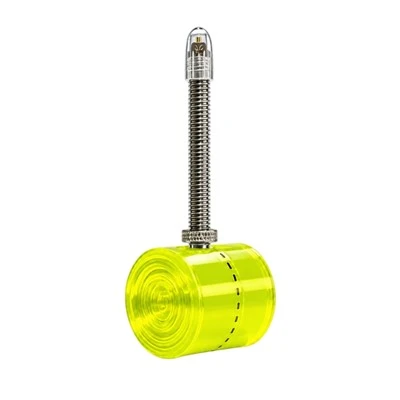
If you’re ready to upgrade your gravel setup with TPU tubes tailored to your skill level and ride style, we’re here to help. Whether you’re a first-time tester or a seasoned pro, we can walk you through the best options, answer any questions you have, and get you set up to crush your next gravel adventure. Just reach out to us to connect and chat through your needs.
Gravel TPU Tubes REFERENCES
- Bicycling Magazine, “The Truth About TPU Tubes for Gravel Riding”, 2022
- Gravel Cycling Journal, “Weight vs. Durability: TPU vs. Butyl Tubes”, 2023
- International Mountain Bicycling Association (IMBA), “Gravel Bike Maintenance Tips for All Skill Levels”, 2021
- Cycling Weekly, “How to Install and Repair TPU Tubes”, 2022
TUBENOX
As one of the most professional gravel TPU tubes manufacturers and suppliers in China, we’re featured by quality products and good service. Please rest assured to wholesale bulk customized gravel TPU tubes from our factory. If you have any enquiry about free sample, please feel free to email us.
Address: No.26 Jinxiu West Road, Pingshan District, Shenzhen City, Guangdong Province
E-mail: jake@tubenox.com
WebSite: https://www.tubenox.com/
