If you’ve ever shopped for LED bulbs, you’ve probably come across two terms that get tossed around a lot: Type T and tubular LED bulbs. At first glance, they might seem like the same thing—long, cylinder-shaped bulbs designed to replace old fluorescent tubes. But after years in the Type T LED bulb supplier game, I can tell you there’s a big difference that trips up a lot of buyers, and it’s not just semantics. Let’s break this down straight, no jargon, so you know exactly what you’re getting when you pick one over the other. Type T Bulb LED
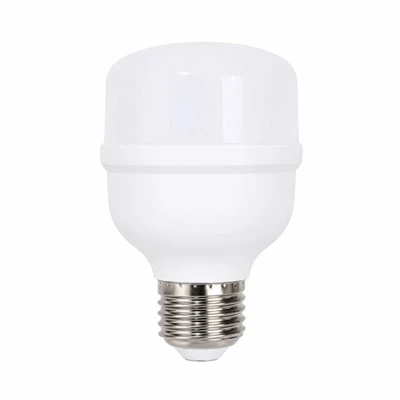
First, let’s start with the basics. Old-school fluorescent tubes are the ones that flicker in office ceilings, warehouse aisles, and basements—they’re long, thin, and use a ballast to kick the gas inside into light. Back in the day, replacing those meant swapping in a direct pin-for-pin fluorescent, but LEDs changed that. Tubular LED bulbs and Type T LEDs both aim to replace fluorescents, but their design, how they connect to your fixture, and how they perform couldn’t be more different.
Let’s talk tubular LEDs first, because that’s the more common term people mix up. A tubular LED is basically a straight LED tube that’s built to mimic a traditional fluorescent tube’s shape. Most of them are “ballast-compatible” or “ballast-bypass,” right? Wait, no—actually, a lot of basic tubular LEDs are what we call “type A” tubes, meaning they still use the existing fluorescent ballast in your fixture. You just pull out the old fluorescent, plug the tubular LED into the same two end pins, and you’re done. The problem with type A tubular LEDs? They don’t actually remove the ballast from the circuit. That might sound convenient, but here’s the catch: old ballasts can be finicky. If your ballast is old, worn out, or even just a little different from what the tube was designed for, you’ll get issues—flickering, dead tubes out of the box, or even reduced lifespan. Also, most tubular LEDs are made to fit standard T12 or T8 fluorescent fixtures, but they’re not one-size-fits-all. If your fixture uses a T5, you need a specific T5 tubular LED, and even then, you have to make sure the end caps match the pin spacing. They’re simple for basic swaps, but they lack flexibility for weird fixtures or setups that need more power.
Now, Type T LEDs—this is where my side of the business comes in. Type T stands for “Type Tubular,” but it’s not just a tubular LED. Let’s clarify: a true Type T LED bulb is a tubular LED that’s built to work without a ballast entirely. That means you have to rewire your fixture to cut the ballast out of the circuit completely, so the LED tube connects directly to line voltage (120V or 277V, depending on your location). Wait, why would you go through the hassle of rewiring? Let’s get into the benefits. First, Type T LEDs are way more reliable. No ballast means no weird compatibility issues—you don’t have to cross your fingers that your old ballast will play nice, which is a huge win for commercial spaces where a single flickering bulb can mean a complaint, or a warehouse where a dead tube means downtime. Also, Type T LEDs are way more flexible. They come in different diameters, not just the standard T8 or T12—you can get T5 Type T, T10 Type T, even custom lengths if you have a non-standard fixture. That’s not something most basic tubular LEDs offer. They also tend to have a longer lifespan, higher lumen output, and better energy efficiency because they’re not wasting power on that old ballast. I’ve had customers swap out their old type A tubular LEDs for Type T and see their energy bills drop another 10-15% just from ditching the ballast.
Wait, but let’s not make Type T sound like the only right choice—tubular LEDs have their place, too. If you’re a homeowner replacing a single fluorescent tube in a bathroom, and you don’t mind a quick swap without rewiring, a type A tubular LED is totally fine. They’re cheaper upfront, which is a big draw. But for commercial properties, industrial warehouses, or retail spaces that run those lights 12+ hours a day, Type T is the way to go. The upfront cost might be a little higher, but the money you save on energy and replacement bulbs over 5-10 years makes it worth it. I see this all the time—customers come to me after burning through 3 sets of cheap tubular LEDs in a year, and they switch to Type T and haven’t had to replace a bulb in 3 years.
Another big difference is how they handle voltage and dimming. Most tubular LEDs are designed for standard line voltage, but if you want to dim them, you have to make sure the tubular LED is dimmable and that your ballast is compatible. Type T LEDs, on the other hand, because they bypass the ballast, can be wired to work with almost any dimmable switch as long as it’s compatible with line voltage LEDs. That’s a game-changer for offices or retail stores that want to adjust lighting levels for different times of day or events.
Let’s talk about installation mistakes I see all the time. A lot of buyers will see “tubular LED” and assume it’s the same as Type T, so they buy a bunch, pop them in their existing fixtures, and end up with flickering bulbs. More often than not, that’s because they used a type A tubular LED with a faulty ballast. If they’d gone for Type T, rewired once, and done it right, they wouldn’t have that problem. I had a client last year who owned a 10,000 sq ft warehouse—he installed 2,000 type A tubular LEDs, and within 6 months, 400 were dead. He reached out to us, and we swapped them for Type T LEDs. We rewired the fixtures to bypass the ballast, and now 18 months later, he’s only had 2 bulbs go bad. The energy savings were so big, he ended up replacing all his warehouse lights with Type T and saved $12,000 a year on electricity. That’s the kind of ROI that makes Type T worth the extra step.
Also, let’s clear up a common misconception: Type T isn’t just a brand or a nickname. It’s actually a designation from the American National Standards Institute (ANSI) for LED tubes that bypass the existing fluorescent ballast. That means they’re tested to work with line voltage, have specific safety standards, and are designed for long-term, heavy use. Most basic tubular LEDs don’t have that ANSI Type T certification, which is part of why they’re cheaper and more prone to issues. If you see a bulb labeled “Type T,” that’s not just marketing— it’s a standard that means it’s built to skip the ballast.
Wait, but what about end caps? Both types have end pins, right? The pin spacing is different sometimes. Type T LEDs usually have a wider pin spacing because they’re built for direct line voltage, whereas many tubular LEDs have standard T8 or T12 pin spacing to fit old fixtures. That’s another place where people mess up—they buy Type T bulbs that fit the pin spacing, but if they don’t rewire, they won’t work, because Type T doesn’t use the ballast to power the pins. So the pins on Type T are just connectors for the line voltage, whereas on tubular LEDs, the pins connect to the ballast. That’s a tiny detail, but it’s the difference between a bulb that lights up and one that doesn’t.
Let’s break down a quick pros and cons list to make it easier, since I know people love bullet points (even if I’m not using bullet points here). Tubular LEDs (type A): Pros are cheap upfront price, super easy to install no rewiring needed, good for quick residential swaps. Cons: Compatibility issues with old ballasts, lower energy efficiency, shorter lifespan, limited diameter/length options. Type T LEDs: Pros: No ballast compatibility issues, higher energy efficiency, longer lifespan, more size options, dimmable, ANSI certified for commercial use. Cons: Higher upfront cost, requires rewiring installation, not as simple a swap as tubular LEDs.
Now, let’s talk about why that matters for your space. If you’re only using lights a few hours a week, like a guest basement or a rarely used storage closet, tubular LEDs are fine. But if your lights are running 24/7, like a 24-hour grocery store, a factory floor, or a gym’s locker rooms, Type T is the clear choice. The energy savings add up fast, and you won’t be dealing with constant replacements. I’ve had so many customers tell me they wasted money on cheap tubular LEDs because they thought all tubulars were the same, and once they switched to Type T, they never looked back.
Another thing: heat management. LEDs generate heat, and if that heat is trapped inside a fixture with a ballast, it can shorten the lifespan of both the LED and the ballast. Type T LEDs, since they bypass the ballast, are designed to dissipate heat more efficiently because there’s no extra component taking up space. That’s another reason they last longer—heat is the enemy of LEDs, so any design that reduces trapped heat is a big win.
Wait, should I mention something about compliance? Yeah, a lot of commercial buildings have to meet certain energy codes, and Type T LEDs often qualify for more incentives than basic tubular LEDs. Utilities will offer rebates for energy-efficient lighting that meets specific standards, and Type T usually checks those boxes, whereas tubular LEDs might not. That’s another way to offset the upfront cost—rebates can cover 30-50% of the cost of Type T bulbs, making them almost as cheap as tubular LEDs in the long run.
Let me wrap this up so it’s practical for anyone reading. The next time you’re shopping for LED tubes, don’t just look for “tubular LED”—ask yourself: where are these going? If it’s a quick residential swap, tubular is okay. If it’s a commercial space that needs reliability, low energy costs, and long lifespan, go with Type T. And if you’re not sure, reach out to a supplier that knows their stuff—like me, for example. I’ve helped hundreds of customers figure out if Type T is right for their space, and we can walk you through the installation or any questions you have about rewiring or compatibility. Don’t make the mistake I see so many people make: buying the cheapest option, only to end up replacing bulbs every six months. Type T might require a little more work upfront, but it’s an investment that pays off for years.

At the end of the day, the difference between Type T and tubular LEDs isn’t just a label—it’s performance, reliability, and cost over time. For anyone who values long-term savings and consistent lighting, Type T is the clear winner, and that’s why we focus on it as a Type T Bulb LED supplier. If you’re looking to upgrade your space and want to chat about which option works best for you, feel free to reach out and we can walk through your specific needs.
Warehouse Light Bulbs References
- Illuminating Engineering Society (IES). (2021). LED Tube Lighting Design Guidelines for Commercial and Industrial Applications.
- American National Standards Institute (ANSI). (2020). ANSI C78.202: LED Lamps – Performance Specifications for Tubular Lamps.
- U.S. Department of Energy (DOE). (2022). Energy Savings Potential of Bypass Ballast LED Tubes for Commercial Lighting.
- National Electrical Manufacturers Association (NEMA). (2021). NEMA 70-2021: LED Tubular Lamps – Compatibility with Ballast Systems.
Hangzhou Lin’an Mingfeng Electric Parts Co., Ltd.
We are one of the most experienced type t bulb LED manufacturers and suppliers in China since 1996. We warmly welcome you to wholesale customized type t bulb LED made in China here from our factory. If you have any enquiry about pricelist and quotation, please feel free to email us.
Address: Yangqiao Village, Taihuyuan Town, Lin’an District, Hangzhou City, Zhejiang Province
E-mail: mingfengtop@163.com
WebSite: https://www.mingfengtop.com/
