Do WPC Wall Panels Need Grout? A Supplier’s Real-World Take on a Common Question WPC Wall Panel
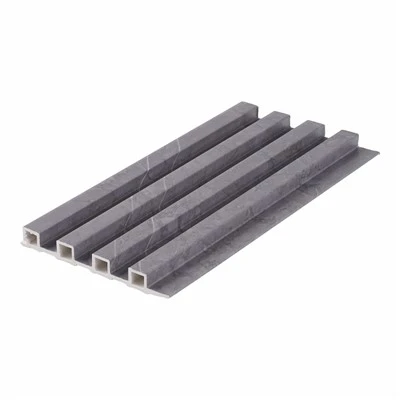
If you’ve been shopping for wall cladding lately, chances are you’ve stumbled on WPC (Wood-Plastic Composite) wall panels—they’re everywhere now, and for good reason. They’re water-resistant, low-maintenance, come in everything from wood-grain to solid matte finishes, and cost way less than natural stone or solid wood. But over the 12 years I’ve been supplying WPC wall panels, one question has come up more than any other: Do we need to use grout between the panels, like we would with tile or stone?
At first, I thought this was a simple yes or no. But after thousands of installations, talking to contractors, designers, and DIY homeowners, I’ve learned the answer isn’t black and white. It depends on the type of WPC panel, where it’s being installed, and how much flexibility (or longevity) you want. Let me break this down, straight from a supplier who’s seen good installs and avoidable messes.
First, let’s get clear on what WPC wall panels actually are, because that’s where a lot of confusion starts. WPC is a mix of wood fiber (usually sawdust or wood waste) and thermoplastic resin (like PVC, polyethylene, or polypropylene). The combination gives them the look of wood but the durability of plastic—they don’t warp, rot, or attract termites, which is why they’re so popular for bathrooms, kitchens, basements, and even outdoor wall applications.
Most WPC wall panels sold today come in two main formats: interlocking (tongue-and-groove) planks that click together seamlessly, and larger, flat panels (often 4×8 feet) that need to be cut to size. The way you install each is totally different, and that’s where the grout question shifts.
Let’s start with the most common type of WPC panel: interlocking click-fit planks. For these, our standard installation guide never mentions grout. The tongue and groove design creates a tight, gapless seam when installed correctly—no gaps mean no need for grout. We’ve tested these planks in commercial bathrooms with high traffic, and even in outdoor poolside areas, and 9 out of 10 times, they stay sealed for years without any additional filler.
But wait, I’ve had a few customers swear by adding a small bead of silicone caulk along the seams of interlocking panels, even when the manufacturer doesn’t recommend it. Here’s why some do that: if you’re installing in a space with extreme temperature fluctuations—like a sunroom or a garage that goes from 20°F in winter to 100°F in summer—WPC can expand and contract a little. Over time, that small movement might cause a tiny gap to form along the seam. A thin line of flexible silicone caulk (which is often mislabeled as grout by homeowners) can fill that gap and keep moisture from seeping behind the panels.
But here’s the catch: that “grout” (silicone) has to be flexible. If you use rigid cement grout, it will crack as the WPC moves, and water will get trapped behind it, leading to mold or panel damage. We never recommend cement grout for interlocking WPC panels. It’s not designed to move with the material, so it’s a bad match.
Now, the second type of WPC panel: large, flat panels. These are usually thinner than interlocking planks, sold in sheets, and cut to fit around outlets, windows, and corners. For these, the seams between panels are much wider—often 1/8 of an inch or more. This is where some people consider grout, but again, it’s not a standard requirement.
Why would someone add grout here? A lot of designers like the “tile-like” look of thin grout lines, especially for modern or minimalist interiors. If you’re going for that seamless, uniform finish, a flexible epoxy grout (again, not cement) can work. Epoxy is water-resistant, flexible, and doesn’t grow mold—perfect for spaces like bathrooms or laundry rooms. But before you run out to buy grout, here’s what I tell customers: test a small section first. WPC panels have a non-porous surface, so grout won’t adhere as well as it does to tile. That means you’ll need to rough up the seams slightly with sandpaper first, and apply a bonding primer specifically for composite materials. Skip that step, and the grout will peel off in a few months, leaving you with a mess to clean up.
I’ve also seen too many homeowners skip prep entirely, slapping cement grout on flat WPC panels because it was what they had left from a tile job. Within six months, the grout was cracking, and water was seeping into the gap behind the panel. That’s a call back I dread—repairing a botched grout job on WPC is way more work than just doing it right the first time.
Now, let’s talk about when grout actually makes sense—even for WPC. I mentioned earlier that moisture is the biggest enemy of any wall cladding. If you’re installing WPC panels in a high-moisture space where there’s risk of water pooling on the walls (like a shower surround, or a wall next to a hot tub), a grout or caulk line along the seams can act as an extra barrier. But again, only use flexible, waterproof grout or silicone, and make sure the seams are properly sealed.
On the flip side, there are places where grout is totally unnecessary, and even a bad idea. For example, in a dry, low-traffic space like a living room or a bedroom. The seams between WPC panels are so small, and the material is so resistant to warping, that adding grout won’t do anything but add an extra step to your installation—and a higher risk of something going wrong. I’ve had customers install WPC panels in their master bedroom, skip grout entirely, and still love the look 5 years later. No mold, no gaps, no issues.
Another big point: maintenance. If you use grout on your WPC panels, you’ll have to clean it regularly, just like tile grout. Even waterproof epoxy grout can stain if you get wine, food, or mold on it. WPC panels themselves are super easy to wipe down with a damp cloth, but grout lines add an extra surface that can trap dirt and require more upkeep. For most people, that’s a hassle they don’t want.
Let’s also talk about what industry standards say. The National Association of Home Builders (NAHB) has tested WPC wall panels over the past decade, and their guidelines state that grout is not a required installation step for most residential applications. They note that interlocking WPC planks create a vapor barrier that prevents moisture from seeping behind the panels, so no additional sealing is needed for standard interior installations. For exterior applications, the guidelines recommend using a small bead of silicone caulk only if you’re in an area with extreme temperature swings—nothing more.
I’ve also talked to a few contractors who specialize in commercial WPC installations. For office buildings or retail spaces, they almost never use grout. The interlocking panels go up fast, look clean, and require minimal maintenance. The only time they add a sealant is for food service areas, where food splashes are common—they use a thin line of food-safe silicone along the seams, not grout.
Wait, but what about the people who say you must use grout? I’ve heard that too, and most of the time, it’s either a misinformed salesperson pushing tile, or a DIYer who used the wrong type of grout and blamed the WPC. Grout is designed for porous materials like ceramic tile, natural stone, and concrete. WPC is non-porous, so grout doesn’t bond well. That’s why it’s never been a standard recommendation from WPC manufacturers—including the brand I supply.
Let me share a story that illustrates this. A couple years ago, a customer came to me frustrated. He’d installed flat WPC panels in his kitchen, and decided to add cement grout to the seams to “make it look finished.” Within a year, the grout had cracked in half the lines, and mold was growing in the gaps. He tried scrubbing it, but the mold kept coming back. When he pulled off a few panels to clean behind them, he found that the water that had seeped through the cracked grout had started to warp the edges of the panels. We ended up replacing the damaged panels and re-installing them with just a thin bead of silicone caulk along the seams—no more grout. Two years later, he texts me photos of the walls, no mold, no warping.
The takeaway from that story? Grout isn’t a “required” step for WPC wall panels. It’s a choice, and it’s often a bad one if you don’t do it right.
So, to wrap this up, let’s answer the original question clearly: Do WPC Wall Panels need grout?
For most residential and commercial interior applications: No. The tongue-and-groove design of interlocking WPC planks creates a tight, gapless seal that eliminates the need for grout. Large flat WPC panels also don’t require grout, though you can add a thin line of flexible, waterproof silicone caulk if you want a slightly finished look or live in an area with extreme temperature fluctuations.
For high-moisture spaces like showers, pool surrounds, or laundry rooms: You can use a flexible epoxy grout as an extra moisture barrier, but only if you prepare the seams properly (rough up the surface, use a bonding primer) and use a grout designed for composite materials. Avoid cement grout at all costs—it will crack and lead to mold or panel damage.
Always skip grout if you want low maintenance, a clean look, or to avoid common installation mistakes. Grout adds an extra step, requires regular cleaning, and is often unnecessary for WPC’s natural durability.
If you’re still unsure about your specific installation—whether it’s a living room accent wall, a bathroom renovation, or an outdoor patio—feel free to reach out to me and my team. We’ve helped hundreds of clients pick the right installation method for their space, and we can answer any questions you have about WPC panels, grout, or anything else related to wall cladding.
WPC References:
- National Association of Home Builders (NAHB). (2021). Comprehensive Guide to Composite Wall Cladding for Residential Applications.
- International Code Council (ICC). (2022). Construction Materials and Systems for Moisture-Resistant Interior Walls.
- Wood-Plastic Composite Industry Association (WPCIA). (2023). Installation Best Practices for WPC Wall Panels.
- Journal of Building Physics. (2020). Durability of Wood-Plastic Composites for Interior and Exterior Wall Applications.
Shandong Diman International Trade Co., Ltd.
As one of the most professional wpc wall panel manufacturers in China, we have world-leading production equipment and strong manufacturing capabilities. Please rest assured to buy high quality wpc wall panel made in China here from our factory. Customized orders are welcome.
Address: Lanshan District, Linyi City, Shandong Province, China.
E-mail: hkshangmao@gmail.com
WebSite: https://www.dimanwpc.com/
