A chain conveyor chain plays a crucial role in industrial applications, facilitating the efficient movement of materials. As a trusted chain conveyor chain supplier, I understand the importance of accurate measurement for seamless operation and optimal performance. In this post, I’ll provide a comprehensive guide on how to measure a chain conveyor chain, ensuring you can make informed decisions when selecting the right chain for your specific needs. Chain Conveyor Chain
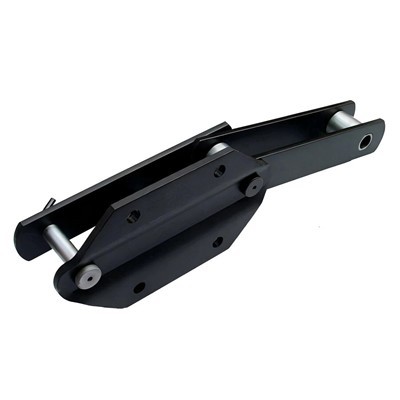
Understanding the Basics of Chain Conveyor Chains
Before diving into the measurement process, it’s essential to have a basic understanding of chain conveyor chains. These chains are designed to transmit power and carry loads along a conveyor system. They come in various types, including roller chains, double pitch chains, and engineered steel chains, each with its own unique features and applications.
The key components of a chain conveyor chain include the pins, bushings, rollers, and side plates. The pitch, which is the distance between the centers of two consecutive pins, is a critical dimension that determines the chain’s compatibility with the sprockets and the overall performance of the conveyor system.
Tools Required for Measuring Chain Conveyor Chains
To accurately measure a chain conveyor chain, you’ll need the following tools:
- Calipers: A high – quality set of calipers allows you to measure the dimensions of the chain components with precision. Digital calipers are preferred as they provide more accurate readings and are easier to use.
- Micrometer: For even more precise measurements, especially for small chain components, a micrometer is essential.
- Pitch Gauge: A pitch gauge helps you quickly determine the pitch of the chain. It is a simple tool that can save you time and ensure accurate pitch measurement.
- Ruler or Tape Measure: A ruler or tape measure can be used to measure the overall length of the chain. However, for more accurate length measurements, it’s best to use a specialized chain length measuring tool.
Step-by – Step Guide to Measuring a Chain Conveyor Chain
1. Measuring the Pitch
The pitch is the most important measurement for a chain conveyor chain. To measure the pitch:
- Use a pitch gauge: Place the pitch gauge on the chain, aligning it with the pins. The pitch gauge will indicate the pitch of the chain.
- Use calipers: If you don’t have a pitch gauge, you can use calipers. Measure the distance between the centers of two consecutive pins. Make sure to measure at multiple points along the chain to ensure accuracy, as the pitch may vary slightly due to manufacturing tolerances.
2. Measuring the Roller Diameter
The roller diameter affects the chain’s engagement with the sprockets and the smoothness of the conveyor operation. To measure the roller diameter:
- Open the calipers and place them around the roller. Gently close the calipers until they touch the opposite sides of the roller. Read the measurement on the caliper display.
- Take multiple measurements at different points around the roller to account for any irregularities.
3. Measuring the Pin Diameter
The pin diameter is another critical dimension. A proper – fitting pin ensures the chain’s strength and durability. To measure the pin diameter:
- Use a micrometer for the most accurate measurement. Place the pin between the anvil and spindle of the micrometer and rotate the thimble until it lightly grips the pin. Read the measurement on the micrometer scale.
- If a micrometer is not available, calipers can also be used, but keep in mind that the measurement may be slightly less accurate.
4. Measuring the Side Plate Thickness
The side plate thickness influences the chain’s load – carrying capacity. To measure the side plate thickness:
- Place the calipers on the side plate and close them until they make contact with the two surfaces of the side plate. Read the measurement on the caliper.
- Measure the side plate thickness at multiple locations to ensure uniformity.
5. Measuring the Chain Length
The chain length is crucial for proper installation and operation of the conveyor system. To measure the chain length:
- If the chain is off the conveyor, use a ruler or tape measure to measure the overall length of the chain from end to end.
- For more accurate length measurement on the conveyor, you can use a specialized chain length measuring tool. This tool takes into account the proper tension of the chain and provides a more accurate measurement.
Factors to Consider During Measurement
- Wear and Tear: Over time, chain conveyor chains can experience wear, which can affect the measurements. Check for signs of wear, such as elongated pins or worn – out rollers. If significant wear is detected, it may be necessary to replace the chain.
- Temperature and Environment: Extreme temperatures and harsh environmental conditions can cause the chain to expand or contract. When measuring the chain, take into account the operating temperature and environmental factors to ensure accurate measurements.
- Load Requirements: The chain’s load – carrying capacity is directly related to its dimensions. Consider the maximum load the chain will need to carry when measuring and selecting a chain. Make sure the chain’s dimensions are appropriate for the load requirements.
Importance of Accurate Measurement
Accurate measurement of a chain conveyor chain is essential for several reasons:
- Compatibility: Ensuring the chain’s dimensions match the sprockets and other components of the conveyor system is crucial for proper operation. A chain with an incorrect pitch or other dimensions may not fit properly, leading to inefficient operation and premature wear.
- Performance: Well – measured chains operate more smoothly, reducing vibrations and noise. This improves the overall performance of the conveyor system and extends the lifespan of the chain and other components.
- Safety: A properly measured chain is less likely to break or malfunction, reducing the risk of accidents in the workplace.
Conclusion
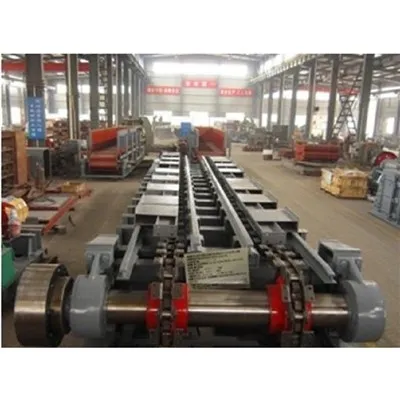
Measuring a chain conveyor chain accurately is a critical step in ensuring the efficient operation and longevity of your conveyor system. As a chain conveyor chain supplier, I recommend using high – quality measuring tools and following the step – by – step guide provided in this post. By taking the time to measure your chain correctly, you can select the most suitable chain for your application, improve performance, and enhance safety.
Conveyor Chain If you’re in the market for a reliable chain conveyor chain, we’re here to help. Our team of experts can assist you in selecting the right chain based on your specific requirements and measurement results. Whether you need a standard chain or a custom – engineered solution, we have the experience and product range to meet your needs. Contact us today to start a discussion about your chain conveyor chain requirements and how we can provide you with the best solutions.
References
- ASME B29.1 – 2011 Roller Chains, Attachments, and Sprockets
- ANSI/ASME B29.2M – 1982 (R2011) Double – Pitch Transmission and Conveyor Roller Chains, Attachments, and Sprockets
- ISO 606:2015 Roller chains and chain wheels — Dimensions, short – pitch transmission and conveyor roller chains
- DIN 8187:2014 – 11 Conveyor Chains and Chain Wheels
- Manufacturer’s guidelines and technical documents for chain conveyor chains.
Zhejiang Hangte Chain Transmission Co., Ltd.
We are one of the most experienced chain conveyor chain manufacturers and suppliers in China since 1999. Please rest assured to buy high quality chain conveyor chain made in China here from our factory. If you have any enquiry about cooperation, please feel free to email us.
Address: No. 195 Qinglin East Street, Qingshan Lake Subdistrict, Lin’an District, Hangzhou City, Zhejiang Province
E-mail: hangtechain@gmail.com
WebSite: https://www.chinahtchain.com/
