As a seasoned supplier in the ball valve industry, I often get asked a critical question by clients and industry enthusiasts alike: What is the maximum pressure a ball valve can withstand? This question is not just a simple query; it delves into the very heart of ball valve engineering and performance. In this blog post, I’ll explore the factors that determine a ball valve’s maximum pressure capacity, the types of ball valves and their pressure ratings, and how we, as a ball valve supplier, ensure our products meet and exceed the required pressure standards. Ball Valve
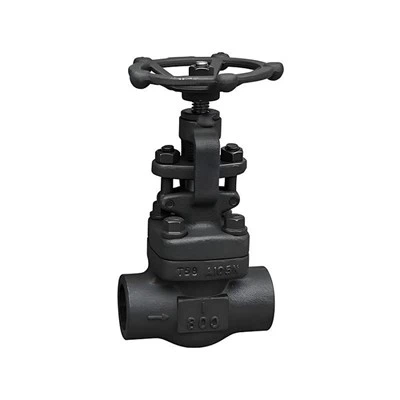
Factors Determining the Maximum Pressure Capacity of Ball Valves
The maximum pressure a ball valve can withstand is influenced by several key factors. These factors interact in complex ways, and understanding them is crucial for selecting the right ball valve for any application.
Material Composition
The materials used in the construction of a ball valve play a fundamental role in its pressure – handling capabilities. For instance, stainless steel ball valves are known for their high strength and corrosion resistance. Stainless steel grades like 316 are commonly used in applications where high pressures and harsh environments are present. The inherent strength of the metal allows it to withstand significant forces without deforming or failing.
On the other hand, brass ball valves are more commonly used in low – to medium – pressure applications. Brass is a relatively softer metal compared to stainless steel, and while it offers good corrosion resistance and is cost – effective, its pressure – bearing capacity is limited.
Design and Manufacturing Quality
The design of a ball valve is another critical factor. A well – designed ball valve will have proper wall thicknesses, a robust sealing mechanism, and a well – machined ball. For example, a full – port ball valve, which has an opening the same diameter as the pipeline, reduces the flow resistance and allows for higher flow rates. However, it also needs to be designed to handle the potential pressure surges that can occur in high – flow applications.
Manufacturing quality also cannot be overstated. Precision machining is essential to ensure a tight seal between the ball and the seats. Any imperfections in the machining can lead to leaks under pressure, reducing the overall effectiveness of the valve. At our company, we use state – of – the – art manufacturing processes and strict quality control measures to ensure that every ball valve we produce meets the highest standards.
Sealing Technology
The sealing technology used in a ball valve is crucial for maintaining its pressure – integrity. Soft seals, typically made of materials like PTFE (polytetrafluoroethylene), offer excellent sealing performance at low to moderate pressures. PTFE is known for its low friction coefficient and chemical resistance. However, at high pressures, the soft seal may deform or extrude, leading to leakage.
Metal – to – metal seals are often used in high – pressure applications. These seals can withstand extreme pressures because they are more rigid and less likely to deform. However, they require a higher level of precision in manufacturing and are more prone to wear and tear over time.
Types of Ball Valves and Their Pressure Ratings
There are several types of ball valves available in the market, each with its own unique pressure rating characteristics.
Floating Ball Valves
Floating ball valves are the most common type of ball valves. In a floating ball valve, the ball is not fixed and is free to move within the valve body. When pressure is applied, the ball is pushed against the downstream seat, creating a seal. Floating ball valves are typically rated for low to medium pressures, usually up to around 1000 psi (pounds per square inch). They are suitable for a wide range of applications, including residential plumbing, general industrial processes, and some light – duty commercial applications.
Trunnion – Mounted Ball Valves
Trunnion – mounted ball valves are designed for high – pressure applications. In this type of valve, the ball is fixed by a trunnion at the top and bottom. The trunnion helps to support the ball and reduces the load on the seats, allowing the valve to withstand much higher pressures. Trunnion – mounted ball valves can be rated for pressures up to 20,000 psi or more, making them suitable for use in oil and gas pipelines, high – pressure chemical processing plants, and other demanding industrial applications.
Three – Piece Ball Valves
Three – piece ball valves are known for their ease of maintenance. They consist of a body with two end caps, allowing the valve to be easily disassembled for inspection and repair. The pressure ratings of three – piece ball valves can vary widely, depending on the materials used and the design. They can range from low – pressure applications (a few hundred psi) to high – pressure applications (several thousand psi).
Ensuring High – Pressure Performance in our Ball Valves
As a ball valve supplier, we take several steps to ensure that our ball valves can withstand high pressures.
Material Selection
We carefully select the materials for our ball valves based on the intended application. For high – pressure applications, we use high – strength materials such as forged stainless steel. We source our materials from reputable suppliers and conduct strict quality control checks to ensure the integrity of the materials.
Testing and Certification
All our high – pressure ball valves undergo rigorous testing before they are released to the market. We subject the valves to hydrostatic testing, where they are filled with a liquid (usually water) and pressurized to a level higher than their rated pressure. This test helps to identify any potential leaks or weaknesses in the valve.
In addition to in – house testing, we also ensure that our ball valves meet international standards and certifications. For example, many of our valves are compliant with standards such as API 6D (American Petroleum Institute) and ASME B16.34 (American Society of Mechanical Engineers), which are widely recognized in the industry for their strict quality and performance requirements.
Continuous Innovation
We are committed to continuous innovation in our product development. We invest in research and development to improve the design and performance of our ball valves. For example, we are constantly exploring new sealing technologies and materials to enhance the pressure – handling capabilities of our valves while maintaining their durability and reliability.
Importance of Selecting the Right Ball Valve for Pressure Requirements
Selecting the right ball valve for the pressure requirements of your application is of utmost importance. Using a ball valve with a pressure rating that is too low can lead to valve failure, which can cause leaks, downtime, and even safety hazards. On the other hand, using a ball valve with a much higher pressure rating than necessary can be a waste of resources, as these valves are often more expensive.
When choosing a ball valve, it’s essential to consider the maximum operating pressure of the system, as well as any potential pressure surges that may occur. Consult with a professional or an experienced ball valve supplier to ensure that you select the right valve for your specific needs.
Contact Us for Your Ball Valve Needs
If you’re in the market for high – quality ball valves that can meet your pressure requirements, we’re here to help. Our team of experts has extensive knowledge and experience in the ball valve industry and can assist you in selecting the right valve for your application. Whether you need a floating ball valve for a low – pressure system or a trunnion – mounted ball valve for a high – pressure pipeline, we have the products and expertise to provide you with a solution.
Solenoid Valves Feel free to reach out to us to discuss your requirements and start a procurement conversation. We look forward to working with you to ensure the success of your projects.
References
- ASME B16.34 – Valves – Flanged, Threaded, and Welding End.
- API 6D – Specification for Pipeline Valves.
- "Valve Handbook" by Eugene Bell.
Wuxi PYNOS Flow-tech Co., Ltd.
As one of the leading ball valve manufacturers and suppliers in China, we offer a wide range of products with superior quality. We warmly welcome you to buy high quality ball valve made in China here from our factory. We also accept customized orders.
Address: Sales Center: 7th Floor, No.19 Qingyuan RD, Wuxi City, Jiangsu Prov., China
E-mail: Info@pynosvalve.com
WebSite: https://www.pynosvalves.com/
