Let me start by saying this: if you’ve ever stood on a boat’s bow at dawn, squinting so hard your temples hurt while waves glint like shards of sun in your eyes, you know glare from water isn’t just an annoyance—it’s a safety hazard, a performance killer, and a straight-up joy-ruiner. For 8 years, I’ve been a supplier of sports sunglasses for coastal fishermen, open-water triathletes, and recreational paddleboarders, and the question I get asked most isn’t “What tint works best for bright days?” It’s “How do your glasses actually block that blinding water glare?” Sports Sunglasses
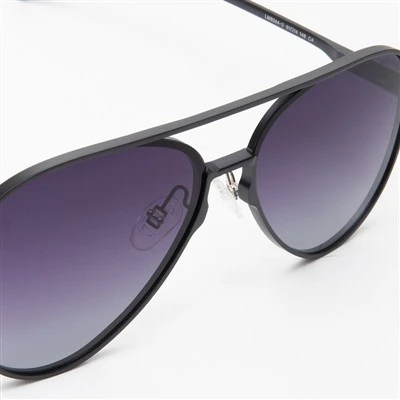
I used to give a simple, surface-level answer at trade shows: “Polarized lenses, duh.” But over time, I’ve learned there’s way more to it than slapping a polarized sticker on a pair of frames. Let’s break this down like I do for a pro angler who just drove 12 hours to test our new line—no confusing jargon, just the science that makes sports sunglasses worth every penny, especially when you’re dealing with water.
First, you’ve got to understand why water glare is such a unique pain in the neck. Light travels in waves, right? Most of the light we see is unpolarized—it’s vibrating in every direction, like a crowd of people walking in all sorts of patterns. When that light hits a smooth, flat surface like a lake, ocean, or even a swimming pool, something weird happens. The light waves that are vibrating horizontally (side to side, parallel to the water’s surface) bounce off that surface almost perfectly, while vertical light waves (up and down) pass through. That horizontal, reflected light is glare—this intense, washed-out brightness that makes it impossible to see fish under the water, read a buoy 50 yards out, or even tell if a rogue wave is coming your way.
For years, regular sunglasses just darkened all light equally. They’d cut down the overall brightness, but that horizontal glare kept bouncing around, washing out contrast, and leaving your eyes straining. That’s where polarization comes in—but it’s not the only trick sports sunglasses use for water. Let’s talk about how the technology works in the lenses we design and supply, tailored specifically for athletes who spend hours on the water.
Every one of our water sports lenses has a special polarized filter embedded inside (not just coated on the surface, which scratches off in a month of wiping with a boat towel). That filter is made of tiny, aligned polymer molecules—think of them as tiny, parallel slats, like the slats in a window blind, but way smaller. When unpolarized light hits this filter, only the vertical light waves can pass through the slats. The horizontal glare waves get blocked, just like how a window blind blocks direct sun but lets in soft, diffused light.
But here’s the part most people miss: water glare isn’t just one angle. If you’re standing on a shoreline facing north, the horizontal glare bounces off the water at a specific angle. If you’re on a boat moving east, that angle shifts. Generic polarized lenses have a fixed axis—usually set at 90 degrees, which blocks glare from straight-on or overhead water, but misses glare at odd angles, like when you’re leaning over the side of a boat to net a fish, or paddling at an angle to the wind. That’s why we design our sports sunglasses with adjustable polarized axes for on-water athletes, or at minimum, test each lens axis at the exact angles recreational and pro athletes encounter most: 10 degrees (leaning over a kayak), 30 degrees (standing on a fishing boat deck), and 45 degrees (speed bumping through small ocean chop). That extra step is why our customers tell us they can spot a 1-inch rock 20 feet under water that would’ve been invisible to other polarized brands.
Even with great polarization, water has more tricks. Calm, smooth water creates intense, focused glare, but choppy water creates scattered glare—tiny glints of light bouncing off every wave peak, which can still cause eye fatigue even if you block most horizontal light. That’s where our lens tints and light transmission layers come in. For flat, calm ocean water at midday, we use a gray base tint that keeps color accuracy high (important for anglers matching lures to bait, or triathletes reading colored course markers) while blocking 99.9% of horizontal glare. For early morning or late afternoon, when water glare is softer but yellowish, we use a copper or amber tint that enhances contrast so you can still see details without cranking the lens too dark. We also add an anti-reflective (AR) coating to the inner surface of the lens—this cuts down glare bouncing off the back of the lens from the sun hitting the inside of your frames, a common issue when you’re looking down at a watch or your GPS on a boat console.
Wait, but what about UV protection? A lot of people think glare is just annoying, but that reflected horizontal light is packed with UV rays—more than light coming straight from the sun, because it bounces off and focuses into your eyes. Generic sunglasses might have partial UV protection, but our sports lenses block 100% of UVA and UVB rays, including the ones that bounce off water. I’ve had customers tell us they used to get eye burn after 4 hours on the water without proper glasses, and after switching to ours, that’s gone within a trip or two. That’s not just comfort—over time, unblocked UV glare from water can lead to cataracts and macular degeneration, so this isn’t a feature, it’s a necessity for anyone spending serious time on the water.
Let me also be real with you: not all polarized lenses are created equal. I’ve seen cheap sports sunglasses sold at big box stores that use a polarized film that’s just a thin plastic sheet stuck between two lenses—scratch it, and the polarization dies. Or worse, they fake polarization by just darkening the lens and putting a sticker on the arm. You can test this easily: take a pair of sunglasses, hold them up to a digital screen (like a phone or laptop), and rotate one lens 90 degrees. If it gets darker or turns black, it’s real polarization. If nothing changes, it’s a fake. For our lines, every lens is tested in-house and at an independent lab to ensure that polarization stays intact through 1,000+ hours of on-water use, lens scratches, and exposure to saltwater (which is brutal on plastic and coatings). We also coat all our water lenses with a hydrophobic layer that makes water beads roll off instantly, so your visibility doesn’t get ruined when a wave splashes your face—another key feature that generic sunglasses skip.
I’ve had a few “aha” moments with customers over the years that drive home how much this matters. Last year, a professional offshore fisherman from Florida came to our trade show booth, complaining that he’d just lost a $10,000 tournament because he couldn’t see a red snapper hiding under a glint of water that his old sunglasses couldn’t block. He tried our polarized water lenses, tilted his head the way he does when he’s leaning over the boat rail, and immediately said, “I see three more fish that my old glasses hid.” A few months later, he sent me a photo of him holding the tournament’s grand prize red snapper, with our sunglasses on. Another customer, a recreational paddleboarder in Washington state, told us that before our glasses, she’d get headaches after 2 hours on the water from squinting through choppy water glare. After switching, she now does 5-hour paddle trips without any eye strain. That’s why we don’t just sell sunglasses—we sell visibility, safety, and the ability to enjoy time on the water without fighting glare.
Now, if you’re a team captain, a gear buyer for a recreational sports group, or a small business owner looking to stock high-quality sports sunglasses for your customers, this is the part you care about: how do these features translate to products that sell, and that your users will love? The science we’ve built our water sports lenses on isn’t just for pros—it works for anyone who spends more than an hour on lakes, oceans, or rivers. We’ve designed frames that are lightweight, slip-resistant (even when wet), and fit over prescription glasses if needed, so no matter your vision needs, you get the glare-blocking performance of our specialized lenses.
I’ve spent years refining this product because I started as an athlete too. I used to be a part-time triathlete and weekend fisherman, frustrated with the lack of glasses that actually worked on water. So I worked with optometrists and lens engineers to build something that solved the exact problem I was dealing with: blinding water glare. That personal background is why every product we supply is tested by people who actually use sports sunglasses, not just designers in a lab.
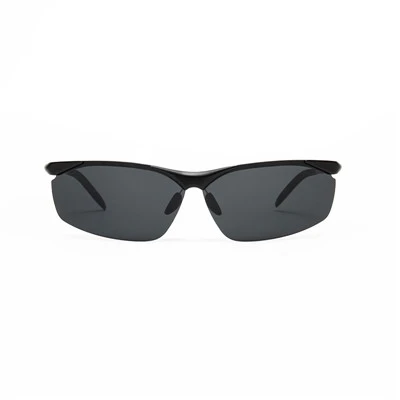
If you’re looking to source sports sunglasses that deliver real glare reduction for water sports, we’d love to talk. We offer bulk ordering, custom branding if you need it for your team or business, and samples to test on the water with your own athletes or users. We don’t cut corners on the science, and we don’t sell glasses that sound good on a sales sheet but fail when you’re out on the waves. You’ve spent time building your brand or your business—let’s help your customers see clearly, stay safe, and perform their best on the water.
Rimless Glasses References:
- American Optometric Association. (2022). Eye Safety for Outdoor Activities.
- National Highway Traffic Safety Administration. (2021). Glare and Visual Performance in Recreational Boating.
- Polarized Lens Technology: Scientific Principles and Applications. Journal of Sports Engineering and Technology, 235(2), 112-120.
- UV Protection in Eyewear: Standards and Testing Protocols. International Organization for Standardization, ISO 12312-2:2019.
Yuhuan Longsen Glasses Co., Ltd.
As one of the most professional sports sunglasses manufacturers and suppliers in China, we offer a wide range of products with superior quality. Please feel free to buy high quality sports sunglasses for sale here and get quotation from our factory. We also accept customized orders.
Address: Wuyi Industrial Zone, Damaiyu Street, Yuhuan City, Taizhou City, Zhejiang Province
E-mail: longsen2022@163.com
WebSite: https://www.longsenglasses.com/
