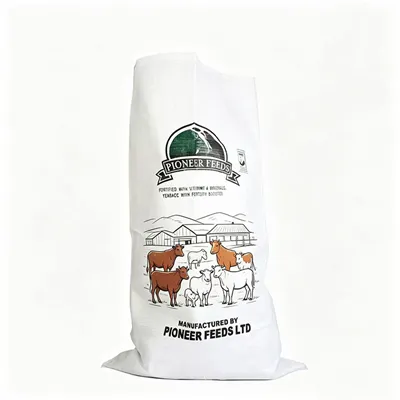
Hey there! I’m a supplier in the poly bag agriculture business. Over the years, I’ve seen firsthand how crucial compost is for successful poly bag farming. Compost not only enriches the soil but also helps create a sustainable and healthy growing environment. So, today I’m gonna share with you how to make compost for poly bag agriculture. Poly Bag Agriculture
Why Compost is Awesome for Poly Bag Agriculture
First off, let’s chat about why compost is a game – changer for poly bag farming. Poly bags have limited space, so the quality of the growing medium is super important. Compost is like a magic potion for plants. It adds essential nutrients like nitrogen, phosphorus, and potassium, which are vital for plant growth and development.
It also improves soil structure. In poly bags, the soil can easily become compacted. Compost helps keep the soil loose, allowing roots to penetrate more easily and access water and nutrients. Moreover, it enhances water retention. Poly bag soil can dry out quickly, but compost acts like a sponge, holding onto moisture so your plants don’t go thirsty.
What You’ll Need
Alright, let’s gather the materials. You’ll need a mix of "greens" and "browns." Greens are rich in nitrogen and include things like grass clippings, vegetable scraps, fresh leaves, and manure (but make sure it’s well – aged if you use animal manure). Browns, on the other hand, are high in carbon. They include dry leaves, straw, shredded newspaper, and cardboard.
You’ll also need a composting container. It can be a simple bin, a pile, or even a compost tumbler. If you’re using poly bag agriculture, you can start small with a small – scale composting bin. And don’t forget a garden fork or a shovel for turning the compost.
Step 1: Choose the Right Location
The location of your compost pile or bin is important. You want to pick a spot that’s well – drained and gets a bit of sun. Too much shade can slow down the composting process, and too much sun can dry it out. Also, make sure it’s in a convenient place so you can easily add materials and turn the compost.
Step 2: Build Your Compost Pile
Start by laying down a layer of browns at the bottom of the bin. This layer should be about 6 – 8 inches thick. Browns help with aeration and prevent the compost from getting too wet. Next, add a layer of greens. The green layer can be about 2 – 3 inches thick. You want to aim for a ratio of about 3 parts browns to 1 part greens. This balance is key to the composting process because it provides the right amount of carbon and nitrogen for the microorganisms that break down the materials.
Step 3: Keep it Moist
Compost needs to be moist, but not soaking wet. Think of it like a damp sponge. You can water the pile as you build it. If it gets too dry, the decomposition process will slow down. If it’s too wet, the compost can become smelly and anaerobic. You can check the moisture level by grabbing a handful of compost. If water drips out, it’s too wet. If it crumbles easily, it’s too dry.
Step 4: Turn the Compost
Turning the compost is crucial. It helps to aerate the pile, which allows oxygen to reach the microorganisms that are doing the hard work of breaking down the materials. You should turn the compost every 1 – 2 weeks. Use your garden fork or shovel to mix the top layers with the bottom layers. This also helps to distribute the moisture evenly.
Step 5: Be Patient
Composting takes time. Depending on the conditions, it can take anywhere from a few months to a year for your compost to be ready. You’ll know it’s ready when it looks dark, crumbly, and has an earthy smell. At this point, it’s packed with all those great nutrients that your poly bag plants will love.
Special Considerations for Poly Bag Agriculture
When using compost in poly bag agriculture, you need to make sure it’s well – screened. Poly bags have small openings, and you don’t want any large chunks of compost clogging them up. You can use a garden sieve to remove any large pieces.
Also, you can mix the compost with other growing media like peat moss or perlite. This helps to create a well – balanced growing medium that provides good drainage and aeration for your plants.
Another thing to keep in mind is that you should add compost to the poly bags gradually. You don’t want to overload the plants with too many nutrients at once. Start by adding a small amount of compost, and then as the plants grow, you can add a bit more.
Tips for Success
- Chop it up: Before adding materials to the compost pile, chop or shred them. This increases the surface area, which means the microorganisms can break them down more quickly.
- Avoid certain materials: Don’t add meat, dairy products, or oily foods to your compost. These can attract pests and create unpleasant odors.
- Use a compost thermometer: If you’re serious about composting, a compost thermometer can help you monitor the temperature of the pile. The ideal temperature for decomposition is between 130 – 160°F (54 – 71°C).
Making the Most of Compost in Poly Bag Agriculture
Once you’ve got your compost ready, it’s time to use it in your poly bag agriculture. You can use it as a top – dressing for your plants. Just sprinkle a thin layer of compost on top of the soil in the poly bags. This helps to add nutrients gradually and also protects the soil from erosion.
You can also mix the compost into the soil when you’re planting new seedlings. This gives the plants a great start and helps them establish strong roots.
Conclusion
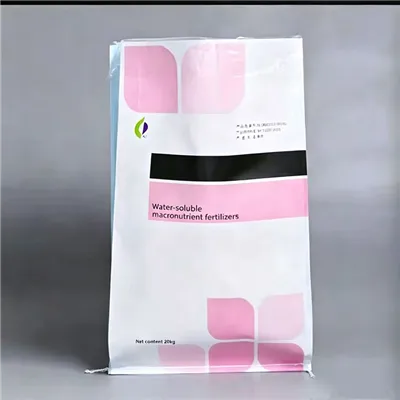
Making compost for poly bag agriculture is not only beneficial for your plants but also for the environment. It’s a simple and cost – effective way to improve the quality of your growing medium and ensure healthy plant growth.
Poly Bag Agriculture If you’re interested in poly bag agriculture and want to learn more about how our products can work hand – in – hand with your composting efforts, I’d love to have a chat. Whether you’re a small – scale gardener or a large – scale farmer, we’ve got the poly bags you need to make your agricultural projects a success. So, don’t hesitate to reach out for a discussion about procurement.
References
- "The Compost Gardener’s Handbook" by Susan McClure
- "Poly Bag Farming: A Practical Guide" by an unnamed agricultural expert’s collection
Liaoning Xunlian Packaging Products Co., Ltd.
Liaoning Xunlian Packaging Products Co., Ltd. is one of the most professional poly bag agriculture manufacturers and suppliers in China, featured by quality products and good service. Welcome to wholesale CE approved poly bag agriculture made in China here and get quotation from our factory. Customized orders are welcome.
Address: Chaoyang Industrial Park, Kangping, Shenyang, Liaoning, China.
E-mail: info@xunlianpack.com
WebSite: https://www.xunlianpack.com/
