Hey there! I’m a supplier in the valve actuator business. Over the years, I’ve seen a whole bunch of issues crop up with these things. So, I thought I’d share some of the common problems we often encounter with valve actuators. Valve Actuator

1. Electrical Issues
Power Supply Problems
One of the most frequent problems we deal with is power supply issues. Sometimes, the actuator just won’t start because there’s no proper power getting to it. This could be due to a blown fuse, a tripped circuit breaker, or a loose connection. You know, it’s like your car won’t start if the battery cables are loose.
I had a customer who was pulling his hair out because his valve actuator wasn’t working. Turns out, the power cord had been damaged during some maintenance work nearby. Once we fixed that connection, the actuator fired right up.
Motor Failures
The motor in a valve actuator is like the heart of the system. If it fails, the actuator’s not going to do its job. Motor failures can be caused by overheating, which often happens when the actuator is overworked or if there’s poor ventilation around it. Worn-out bearings can also lead to motor problems. When the bearings start to go bad, the motor has to work harder, which can eventually burn it out.
I’ve seen cases where customers didn’t realize that the actuator was being used beyond its rated capacity. They’d keep pushing it, and then one day, the motor just gives up the ghost. It’s always a good idea to make sure you’re using the right actuator for the job to avoid these kinds of issues.
Control Signal Interruptions
Valve actuators rely on control signals to function properly. If there’s an interruption in these signals, the actuator may not operate as expected. This can be caused by issues with the control wiring, such as a short circuit or a broken wire. Sometimes, electromagnetic interference from nearby equipment can also disrupt the control signals.
A few months back, a customer reported that their actuator was acting erratically. After some investigation, we found that a new piece of machinery installed nearby was generating enough electromagnetic noise to mess with the control signals. We had to install some shielding on the control wires, and that fixed the problem.
2. Mechanical Problems
Gearbox Wear and Tear
The gearbox in a valve actuator is responsible for transferring the power from the motor to the valve. Over time, the gears can wear out, especially if the actuator is used frequently or in harsh conditions. When the gears start to wear, you might notice a grinding noise or a decrease in the actuator’s performance.
I’ve had customers come to me saying that their actuator was moving slower than usual. When we opened up the gearbox, we found that the gears were badly worn. Replacing the gears is usually the solution, but it’s important to figure out what caused the wear in the first place. Sometimes, it could be due to lack of proper lubrication.
Seal Leakage
Seals are used in valve actuators to prevent fluid or gas from leaking out. But over time, these seals can deteriorate, especially if they’re exposed to high temperatures, chemicals, or extreme pressures. When a seal leaks, it can cause a loss of pressure, which can affect the performance of the actuator.
I remember a customer who had a problem with a leaking actuator in a chemical plant. The seals had been damaged by the corrosive chemicals in the environment. We had to replace the seals with ones that were more resistant to those chemicals, and that solved the leakage problem.
Misalignment
Misalignment can occur when the actuator is not properly installed or if there’s some movement in the equipment over time. When the actuator is misaligned, it can put extra stress on the components, leading to premature wear and tear. It can also cause the valve to not open or close properly.
A customer once called me saying that their valve was leaking even when it was supposed to be closed. After a site visit, we found that the actuator had become misaligned due to some vibration in the equipment. We realigned the actuator, and the valve started working correctly again.
3. Environmental Challenges
Corrosion
If your valve actuator is used in a corrosive environment, like a marine or chemical plant, corrosion can be a major problem. Corrosion can damage the metal components of the actuator, weakening them and causing them to fail. It can also affect the electrical connections, leading to electrical problems.
I’ve seen actuators that were completely rusted out in marine applications. The saltwater was just eating away at the metal. In these cases, we often recommend using actuators with corrosion-resistant coatings or made from materials like stainless steel.
Temperature Extreme
Valve actuators are designed to work within a certain temperature range. If they’re exposed to temperatures that are too high or too low, it can affect their performance. High temperatures can cause the lubricants to break down, leading to increased wear on the components. Low temperatures can make the materials more brittle, increasing the risk of cracking.
I had a customer in a cold climate who was having trouble with their actuator. The cold temperatures were causing the motor to slow down and eventually stop working. We had to install a heater in the actuator enclosure to keep the temperature within the acceptable range.
4. Maintenance and Usage Issues
Lack of Maintenance
One of the biggest problems I see is a lack of proper maintenance. Valve actuators need regular maintenance to keep them in good working condition. This includes things like lubricating the moving parts, checking the electrical connections, and inspecting the seals. If you neglect maintenance, you’re just asking for trouble.
I’ve visited many sites where the actuators have been running for years without any proper maintenance. The result? They’re full of dirt and grime, the lubricants are dried up, and the components are starting to wear out. It’s much cheaper and easier to do regular maintenance than to replace a failed actuator.
Improper Usage
Sometimes, customers use the valve actuator in a way that it’s not designed for. For example, they might try to operate the actuator at a speed or torque that’s beyond its rated capacity. This can put a lot of stress on the components and lead to premature failure.
I had a customer who was using an actuator to open and close a valve much faster than it was designed for. After a few months, the motor burned out. It’s important to read the user manual and follow the manufacturer’s recommendations to avoid these kinds of issues.
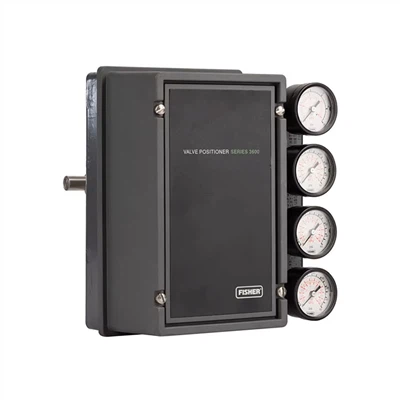
If you’re facing any of these problems with your valve actuators or if you’re in the market for new ones, don’t hesitate to reach out. We have a wide range of high – quality valve actuators that are designed to handle various applications. And our team of experts can help you choose the right one for your needs and provide support for installation and maintenance. Let’s have a chat and see how we can solve your valve actuator problems together.
Fisher Pilot Operated Regulator References
- "Valve Actuators: Principles and Practice" by some industry expert
- Technical manuals from well – known valve actuator manufacturers
Century Weiye (Dalian) Control Equipment Co., Ltd.
As one of the leading valve actuator manufacturers and suppliers in China, we warmly welcome you to buy discount valve actuator in stock here from our factory. If you have any enquiry about quotation, please feel free to email us. Quality products and reasonable price are available.
Address: 2205, Building 8, Red Star International, Ganjingzi District, Dalian City, Liaoning Province
E-mail: serena@valvesjwy.com
WebSite: https://www.valve-sjwy.com/
