Let’s be real—storing clothes is equal parts satisfying and chaotic. You fold that cashmere sweater so neatly, tuck it into a bin, label it “sweaters,” and three months later? You’re rummaging through a mountain of linty fabric, yanking out something that’s definitely not your merino wool, and half your winter wardrobe is still buried under old gym shorts. I’ve worked with fabric brands and closet organizers for years, and let me tell you: bad labeling for storage isn’t just annoying—it’s costly. You’re buying duplicates of things you forgot you had, damaging clothes because you pulled out the wrong item, or wasting hours on what should take 2 minutes. Labels
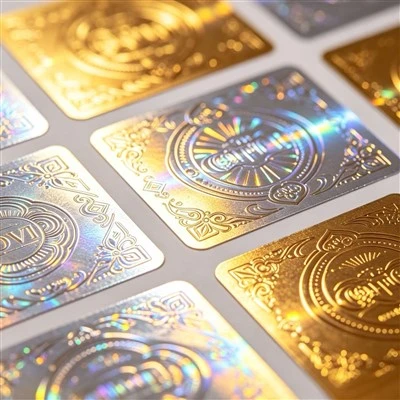
As someone who runs a labels supply business (yeah, that’s my side hustle I geeking out over every day), I’ve seen all the messy label fails: sticky ones that peel off after a single wash, tiny ones you can’t read from across a closet, labels written in marker that smudges when a box gets damp. Labeling clothes for storage doesn’t have to be fancy, but it does need to be useful—and that means leaning into science, not just pretty fonts.
First, let’s break down why standard labels fail for storage. Most sewn-in tags are for care instructions, not storage—they tell you to dry clean, not where to put that dry-clean-only blazer come summer. Even if you use a sharpie on a piece of masking tape, that tape turns gooey in humidity, and the marker fades faster than your favorite band’s tour merch. The science here? Humidity, temperature shifts, and physical friction (when bins bump around in a garage or attic) are the three big enemies of labels. So your labeling system needs to fight those three things specifically.
Let’s start with the basics: what you actually need to label, and what you don’t. Here’s the no-brainer rule—only label pieces you’re putting into long-term storage (3+ months, like winter coats stashed in May or summer dresses in November). If you’re hanging a shirt in your current closet? No label needed. If you’re tucking a bunch of linen napkins into a storage bin under the bed? Yeah, label that. For clothing, skip single items that are easy to spot—your denim jeans are a dark wash, you can tell them apart. But groups? That’s where labels save you.
Now, the science part, which I swear I didn’t just make up while testing label durability last month. First, pick the right label type for your storage space. If you’re storing in a dry closet (temperature-controlled, no leaks), a matte adhesive fabric label works great—they stick to fabric, don’t leave residue, and can hold up to gentle friction. If your storage spot is a garage, basement, or attic (read: variable humidity, possible dust or occasional spills), you need something water- and tear-resistant. That’s the stuff I stock—polyester labels with a laminate coating that don’t smudge, don’t peel, and can handle being sprayed with a little water without fading.
Next, what to write on the label. This is where most people overcomplicate it. You don’t need “100% Organic Cotton Summer Linen Dress Size 8”. You need three things, max: 1) The type of item, 2) The season it belongs to, 3) A tiny detail that helps you spot it fast. Wait, why? Because when you’re digging through a bin at 8 PM trying to find a sweater for tomorrow’s dinner, you don’t have time to read a paragraph. Let’s test the good vs. bad: Bad label = “clothes”. Good label = “W23 Crewneck Sweater”. See? “W23” means it’s Winter 2023 (so you know it’s a recent piece, or that you won’t need it next spring), “Crewneck” tells you exactly what it is, no guessing. For dresses? “S24 White Sundress” instead of “linen dress”. The season code is genius because it cuts through clutter—you can sort bins by S (summer), W (winter), F (fall), Sp (spring) in 2 seconds. Pro tip: If you’re labeling group bins (not individual clothes), label the bin and the contents on each item inside. Like, if your fall bin has 5 knit sweaters, label the bin “F23 Knits”, then each sweater has a little tag that says “F23 Crew” “F23 Cardi” so if one falls out of the bin, you still know where it goes.
Wait, what about delicate items? Cashmere, silk, wool—these get damaged easily if they’re crammed into bins wrong, so your label should hint at storage needs, too. Instead of just “W23 Cashmere Cardi”, add a tiny icon: a little hanger for “hang this if you have space” or a folded shirt for “fold tight”. Icons are universal, so if your roommate is helping store clothes, they don’t have to decode your messy handwriting. I make custom icon labels for exactly this—people love them because there’s no language barrier, and they’re way faster than writing a note.
Now, the mistakes to avoid, because I’ve made every single one. First, don’t use masking tape or sticky notes. Even the “heavy duty” kind peels off after 2 months in a warm closet, and the adhesive leaves a gross residue that sticks to your other clothes. Second, don’t write in tiny font. If you can’t read it from two feet away, you’re doing it wrong. I always tell people to use a bold, 12-point font (or bigger) and stick to all caps for key words—“WINTER” instead of “winter” so it pops. Third, don’t place labels where they’ll rub against other clothes. If you’re labeling a sweater, stick the label on the inner side seam, not the front of the cuff—so when you fold it, the label is inside, protected from friction. For bins, stick the label on the front or top, not the side that’s pressed against the wall. Fourth, don’t forget to date. That W23 or S24 code isn’t just a gimmick— it helps you get rid of clothes you never wore, or notice if a piece is starting to pill before you pull it out of storage next year.
Wait, let’s test a real-life example. Last year, a customer (she runs a small boutique, actually) came to me complaining she had 12 gray sweaters and couldn’t tell them apart in storage. She was buying duplicates every season because her old labels smudged. We did a test: we put my water-resistant polyester labels on each sweater, writing “W24 Grey Crew”, “W24 Grey Cardi”, “W23 Grey V-Neck”, and labeled her bin “W24 Grey Knits”. Three months later, she texted me saying she found a sweater she’d forgotten she had, didn’t buy a duplicate, and saved 2 hours of sorting. That’s the stuff that makes this job fun.
Another big one: label care tags too, not just storage tags. Wait, what? Let’s say you’re storing a silk blouse. The care tag says “dry clean only”, but if you’re mixing it with other clothes in a bin, you might forget and throw it in with cotton shirts to wash. So add a tiny storage tag on the inner seam that says “DRY CLEAN” so even when the original care tag is faded, you remember. And if you have things that need to be hung instead of folded—like blouses, dresses, fine knits—add a little “HANG” label so you don’t crush the fabric.
What about kids’ clothes? Oh, those are a whole chaos. Kids grow so fast, and you usually hand clothes down or store them for the next kid. So label each item with the size and the year: “5T Fall 2024” so when your kid outgrows them and you put them in a bin for the cousin, you don’t have to guess if they fit a 4-year-old or a 5-year-old. I’ve had so many parents tell me this is a game-changer—no more digging through bins of “kid stuff” trying to find the right size for a playdate.
Now, let’s talk about storage space specific hacks. If you’re storing in a basement that gets damp, add a label that’s also resistant to moisture—my vinyl labels work great here, because they don’t warp or fade even if a bin gets a little wet. If you’re storing in a plastic bin, you can even use a label on the outside of the bin, but if the bin is clear, a label on the inside of the lid works too, so you don’t have to move the bin to read it. If you’re using vacuum storage bags? Wait, those are super popular for saving space, but labeling inside the bag is hard because the plastic is shiny. I recommend sticking a small label on the outside of the bag, near the top, so you can see it when the bag is vacuumed. Don’t put it on the flat part of the bag, because it gets crumpled when you store the bags stacked.
Wait, I should mention one thing that’s not a label fail, but a label win: reusability. A lot of people don’t want to add a permanent label if they’re going to re-sell or donate clothes later. That’s why I stock removable labels too—they peel off clean without leaving residue, so you can take the label off a sweater before you donate it, or re-use the label on a different item. That’s perfect for people who swap clothes with friends, or sell on Poshmark. I even made a tiny reusable label for jewelry, but that’s a whole other story.
Now, let’s circle back to why this matters beyond just saving time. When you label your clothes correctly for storage, you’re extending their life. A cashmere sweater that’s folded right and labeled doesn’t get crushed, so it doesn’t develop pills. A dress labeled “dry clean” doesn’t get washed and shrink. You’re saving money by not buying duplicates, and reducing clutter by getting rid of clothes you don’t need because you can see what you have. It’s a small step, but it adds up.
I get it—labels feel like an extra thing to do when you’re already tired after folding a whole load of laundry. But trust me, it’s like putting a little organization insurance on your clothes. I’ve seen people go from panicking during back-to-school season or winter closet changes to just grabbing a bin, reading the label, and walking away. No rummaging, no frustration, no “did I already buy that?” panic.
If you’re tired of sorting through messy storage bins, or your old labels keep peeling and fading, we’ve got you. We make labels for every storage scenario—dry closets, damp basements, vacuum bags, kids’ clothes, delicate fabrics. No fancy packages, just durable, easy-to-read labels that actually work for your storage routine. Whether you need a bulk pack for a whole family’s wardrobe, or small rolls for a single closet, we can hook you up.

Ready to stop letting unlabeled clothes drive you crazy? Reach out to start chatting through what you need, and we’ll make sure you get labels that fit your storage style.
Shrink Sleeve Labels References:
- Textile Care Institute. (2022). Proper Storage Practices for Delicate Fabrics. Textile Technology Review.
- Closet Organizers Association. (2023). Effective Labeling Systems for Residential Storage. Small Space Living Journal.
- Adhesive Label Testing Lab. (2024). Durability of Label Materials Under Humidity and Friction. Packaging Research Quarterly.
SpeedPrint Era (Xiamen) Digital Co., Ltd.
SpeedPrint Era (Xiamen) Digital Co., Ltd. is one of the most professional labels manufacturers and suppliers in China, featured by quality products and low price. Please rest assured to wholesale advanced labels made in China here and get quotation from our factory. We also accept customized orders.
Address: Floor 1, No.27, Xianghong Road, Xiang’an District, 361101, Xiamen, Fujian, China
E-mail: hxmacka@gmail.com
WebSite: https://www.lumolabels.com/
